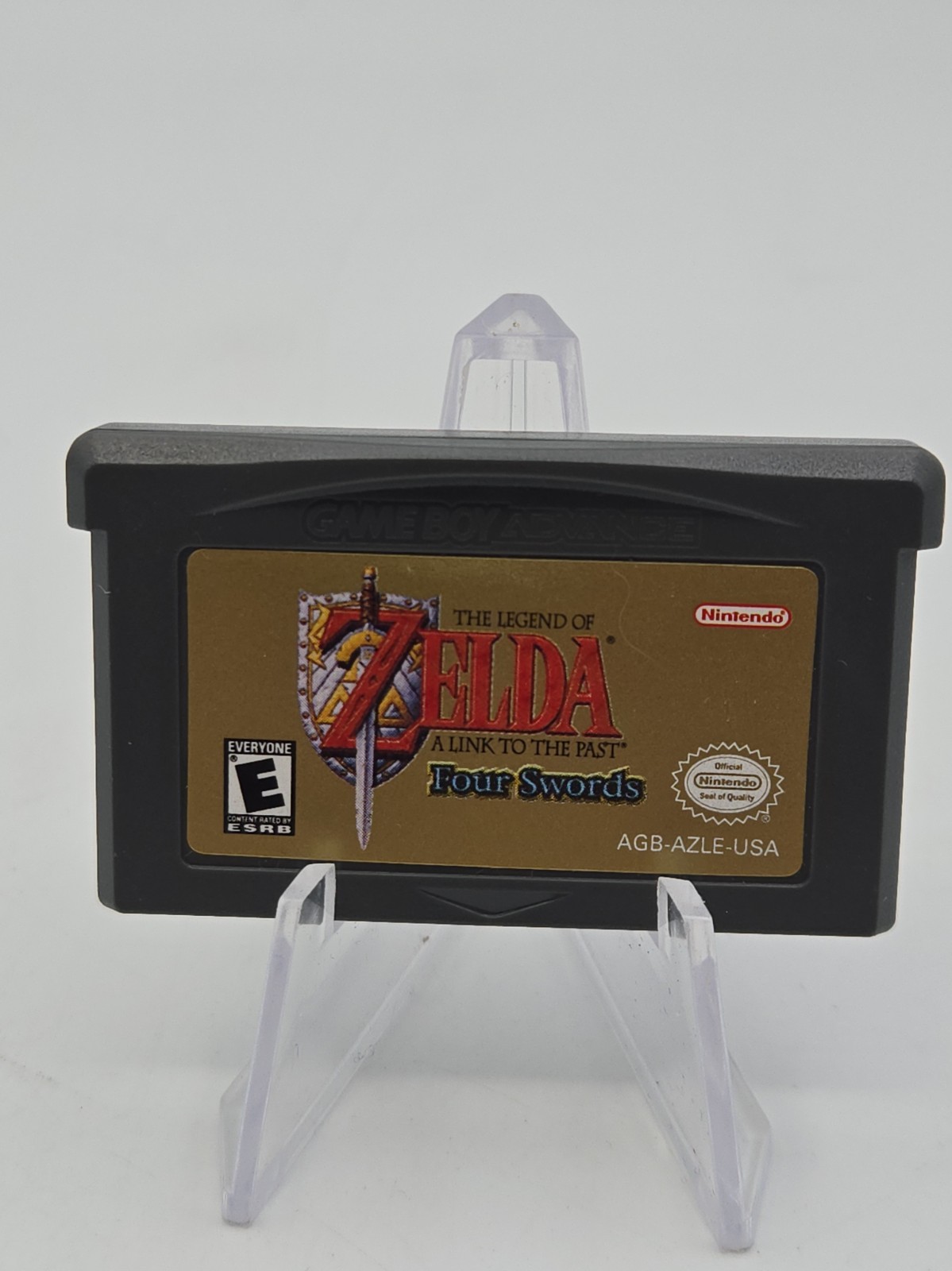
Castlevania Dracula X (Super Nintendo SNES) Complete in Box CIB

Listing type: Fixed price
Seller: powerupvideogames (99.9% positive feedback)
Location: US
Condition: Very Good
Price: 1449.99 USD
Shipping cost: Free
Buy It Now
#Sponsored
In the world of retro gaming, few titles evoke the blend of atmospheric design, tight platforming, and meticulous craftsmanship quite like Castlevania Dracula X for the Super Nintendo Entertainment System. Released as a runaway favorite among collectors and players alike, the game stands as a testament to Konami’s ability to translate a sprawling Gothic aesthetic into compact, demanding gameplay. When the copy arrives Complete in Box (CIB), the value extends beyond the cartridge itself to the preserved packaging, manuals, and any ancillary materials that accompanied the original release.
From a historical perspective, Dracula X is often discussed alongside its lineage of Castlevania titles, yet it holds a distinct place within the SNES library. The game’s tighter level progression, illuminated by its distinctive art direction and moody sound design, offers a streamlined experience that contrasts with the more open-ended exploration that fans may associate with later entries. This focus results in a pacing that rewards precision, memorization, and surgical execution—qualities that have kept it relevant for both new players and long-time enthusiasts.
A complete in box condition is more than a perception of minty plastics and intact manuals. It signals a preserved artifact of video game culture. The box design, with its evocative gothic artwork and careful typography, reflects the era’s marketing language and consumer expectations. The manual typically provides valuable insights into gameplay mechanics, boss patterns, and the lore that surrounds the Belmont lineage. When both cartridge and packaging survive together, it preserves a narrative of how games were experienced as tangible objects—items meant to be stored, treasured, and occasionally studied for hidden details.
From a collector’s standpoint, several factors contribute to the ongoing appeal of a CIB Dracula X: authenticity and condition, completeness of contents, and the market’s fluctuating interest in SNES-era Castlevania titles. The cartridge’s label integrity, the clarity of the console’s connection, and the preservation of the manual’s readability are all considered during appraisal. Beyond monetary value, a CIB copy offers a snapshot of the player’s journey—from unsealing to the moment the first room’s bells toll and the chase through Dracula’s castle begins.
For gamers and collectors evaluating a potential purchase, several practical considerations help ensure a sound decision. First, verify that the cartridge boots on compatible hardware and that save batteries, if present, still hold data. Second, inspect the box for creasing, seam wear, and color fading, as these are common indicators of age and handling. Third, confirm the presence of all original inserts—manuals, warranty cards, and any promotional materials—since these details contribute to the copy’s provenance. Finally, assess the overall presentation: a pristine CIB package not only enhances display value but also provides a more immersive sense of the game’s original release context.
For enthusiasts looking to enjoy Dracula X in a manner that respects its legacy, there are several avenues to consider. Modern displays and upscaled emulation can reproduce the game’s distinctive visuals while preserving its core mechanics. A period-accurate controller setup further enhances the tactile experience, allowing players to experience the rhythm of whip strikes, ladder climbs, and enemy encounters as the developers intended. Whether approached as a historical artifact, a playable retro experience, or a focal point in a curated collection, Castlevania Dracula X remains a compelling representation of SNES-era design and Konami’s enduring impact on action-platforming.
In sum, a Complete in Box Dracula X is more than a collectible—it is a gateway to the era’s craftsmanship. It invites reflection on how packaging, manuals, and precise game design coalesced to create an enduring piece of interactive entertainment. For collectors and players alike, the title continues to symbolize both the challenge of a timeless arcade-inspired platformer and the elegance of a bygone era in video game history.





 Fallout 76 - Official "The Slasher" Animated Trailer | Xbox TGS 2026 Broadcast























 In the realm of indie and mid-budget simulation titles, a new entrant has emerged with a bold promise: elevate the everyday act of riding to a crafted, cinematic experience. The official announcement trailer for Rideshare Stimulator sets the stage for a game that blends meticulous time-management mechanics, immersive environments, and a surprisingly nuanced narrative thread that explores the rhythms of urban life. At first glance, the trailer leans into familiar tropes—a clean UI, a steady tempo of missions, and a soundtrack that nods to the microcosm of a cityscape. Yet closer inspection reveals a deliberate strive for depth: a simulation that respects the real-world cadence of rideshare work while threading opportunities for emergent storytelling through player choice and interaction with a diverse cast of passengers and drivers. From a design standpoint, the trailer signals a strong emphasis on authenticity. Subtle details communicate a respect for procedure and safety, with intuitive controls that invite quick mastery without sacrificing complexity. Visuals showcase a range of urban environments, from sun-drenched boulevards to rain-soaked backstreets, each rendered with a tactile sense of texture and lighting that reinforces immersion. The vehicle models appear thoughtfully sourced, suggesting an attention to the mundane as a core pillar of the game's identity. This approach positions Rideshare Stimulator not merely as a driver simulation but as a living, breathing snapshot of contemporary urban mobility. Narratively, the trailer hints at a modular storyline framework. Players may navigate a mosaic of passenger encounters, each presenting choices that ripple outward—impacting ratings, reputation, heist of days’ work, and the broader arc of the city’s digital economy. While the trailer foregrounds the mechanics—accepting rides, managing routes, balancing time and fuel—it also teases character-driven moments, offering glimpses of personal stories that unfold within the driver’s daily routine. The result is a product that aspires to be more than a series of rote tasks; it aims to transform routine into a stage for observation, empathy, and strategic planning. On the audio front, the trailer crafts an atmosphere that mirrors the tempo of city life. The sound design accounts for the hum of tires, the ping of notifications, and the ambient chatter of varied neighborhoods. The soundtrack blends rhythmic percussion with understated melodic motifs, reinforcing momentum while allowing moments of pause for reflection—an important cadence for a game rooted in steady decision-making under pressure. Commercially, the preview hints at a feature set designed for broad appeal within the simulation genre. Expect a robust progression system, a diverse itinerary of city districts, and a flexible schedule mechanic that lets players structure shifts around personal playstyles. The trailer’s pacing suggests that the game could strike a balance between satisfying, short-session pickup tasks and longer, strategic runs that drive progression over time. In addition, the emphasis on passenger variety implies opportunities for dynamic, conversation-driven outcomes and reputational metrics that influence subsequent encounters. From a community and accessibility perspective, the developers appear to be laying a foundation that invites experimentation. The trailer’s emphasis on approachable controls, combined with depth in management and narrative elements, points toward an inclusive experience that can attract both casual players and seasoned sim enthusiasts. Accessibility considerations—such as scalable difficulty, clear feedback, and captioned dialogue—will be essential in broadening the game’s reach and ensuring that the player’s choices feel meaningful across skill levels. In sum, the Rideshare Stimulator trailer positions the project as a thoughtful entrant into the simulation space: one that treats the daily commute not simply as a backdrop but as a viable canvas for storytelling, strategy, and sensory immersion. For players who crave a simulation that respects realism while delivering a compelling, narrative-inflected loop of tasks and decisions, this title promises to offer a distinctive, well-calibrated experience. As more details emerge—ranging from release windows to platform availability and post-launch content plans—the anticipation among fans of nuanced simulation experiences is well warranted. The official trailer serves as an inviting prologue to a game that could redefine how we perceive the ordinary hours behind the wheel.