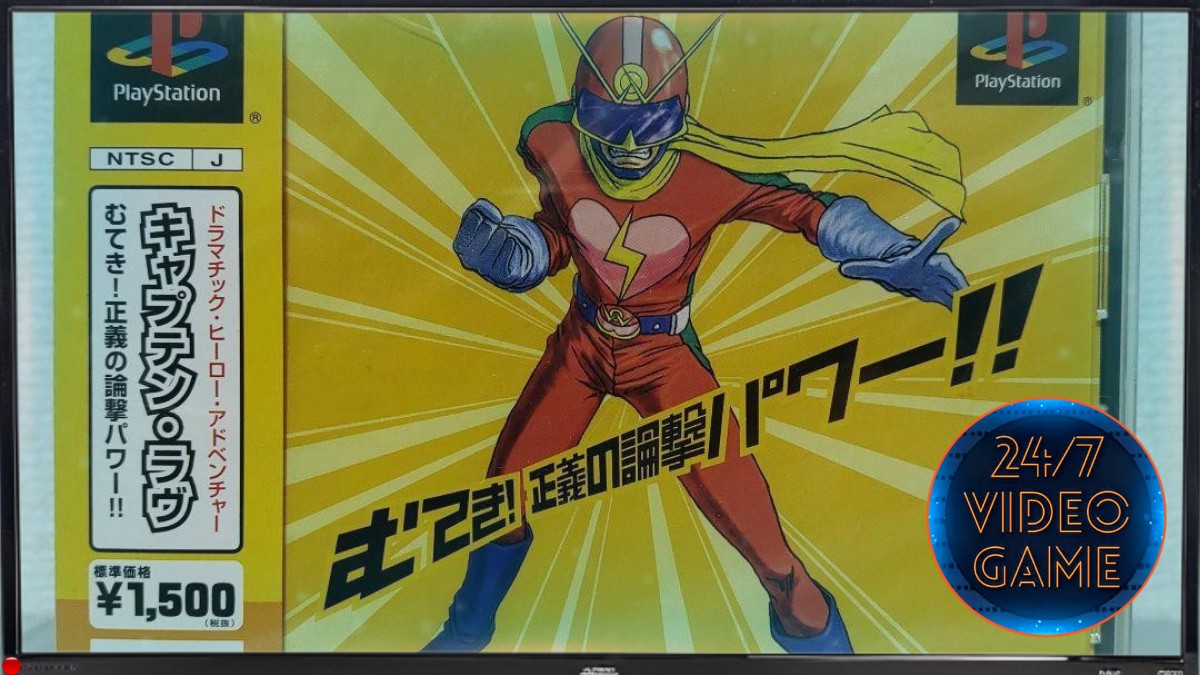
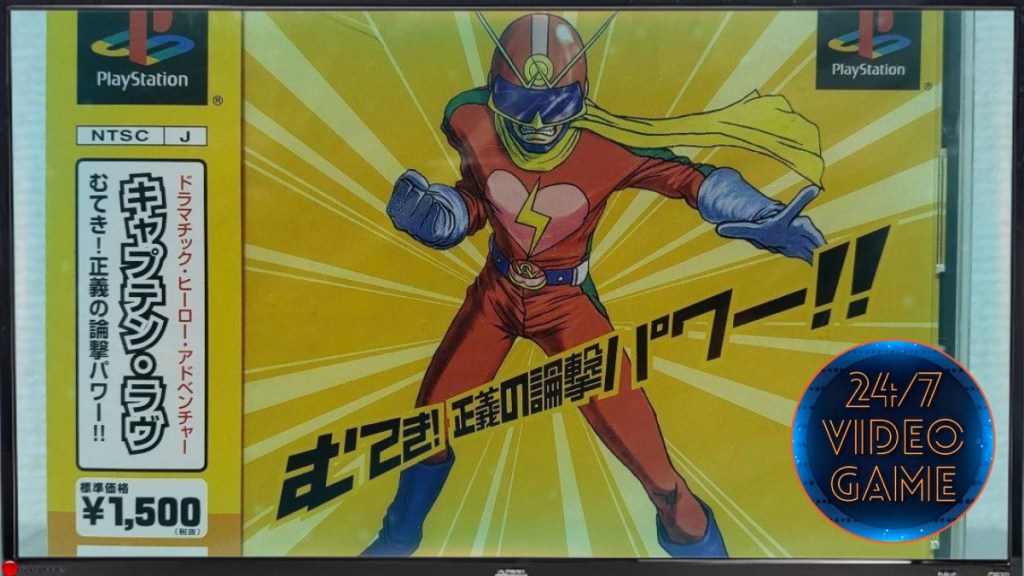
Some finds invite a closer look simply because they sit just outside the familiar canon. Captain Love Major Wave is listed as a Japan-region PlayStation game, and this particular copy is advertised as factory sealed. The listing offers a tantalizing snapshot of a physical release, even as its brief description leaves the game’s genre, developers, and mechanics unconfirmed.
Captain Love Major Wave and the Pull of the Unknown
That uncertainty is part of the appeal for collectors. The listing identifies the platform as the original PlayStation and the region as NTSC-J, placing the item within the expansive world of retro gaming. But a title and sealed case cannot, by themselves, tell the story of what happens on screen. Without verified details about its studio or gameplay, the most responsible—and intriguing—approach is to treat Captain Love Major Wave as a piece of gaming history waiting to be researched rather than assign it a genre by guesswork.
A Sealed Case with a Story to Tell
For physical-media enthusiasts, an unopened PlayStation release holds two kinds of fascination: the promise of the original package and the questions it keeps unanswered. The listing describes the condition as brand new, with a price of $130 and free shipping; those are seller-provided details, not a guarantee of future availability or a judgment on market value. Collectors considering the item may want to inspect the listing’s photographs and confirm the seal and packaging details before purchasing.
The original PlayStation’s wider legacy is well documented, but every individual release has its own trail of evidence. General reference material on the PlayStation console can provide historical context, while the listing itself is the source for this copy’s stated region and condition. That distinction matters: a compelling title can spark curiosity, but verified credits and gameplay details are what turn curiosity into a fuller account.
Why Captain Love Major Wave Still Draws a Second Look
Compared with celebrated PlayStation-era touchstones such as Metal Gear Solid, whose genre and creative identity are widely established, Captain Love Major Wave remains a more elusive prospect based on the information available here. That contrast gives the sealed copy its particular collector’s intrigue: it is not a ready-made nostalgia story, but an invitation to investigate an unfamiliar corner of the platform’s library. For anyone drawn to overlooked releases and carefully preserved game packaging, this Japanese PlayStation listing offers a tangible starting point—along with plenty of questions still to answer.