 247videogame
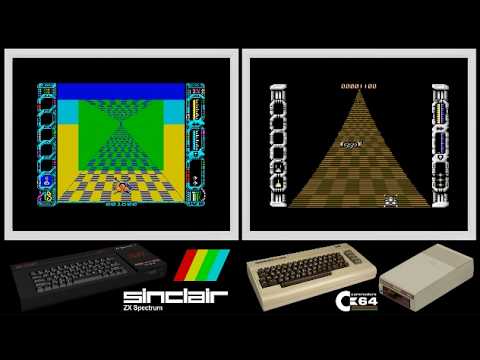
 C64 vs ZX Spectrum : RAMBO (Side by side comparison)

A side by side comparison of Rambo for the Commodore 64 and the ZX Spectrum. Left video = Left speaker. Right video = Right speaker. On your device set left/right audio balance to 0, if you want only audio from one version.
C64 vs ZX Spectrum : RAMBO (Side by side comparison)
In the annals of 8-bit computing, few rivalries capture the imagination quite like the Commodore 64 (C64) and the ZX Spectrum. Both machines helped shape a generation of hobbyists, programmers, and gamers, yet they approached the era’s challenges from strikingly different design philosophies. This side-by-side comparison highlights where the C64 and ZX Spectrum diverged, how those differences manifested in everyday use, and what modern retro enthusiasts can learn from their respective strengths.
1) Hardware Architecture and Core Philosophy – CPU and memory: The C64 uses a 6510 (a modified 6502) running at ~1 MHz with 64KB of RAM, of which about 38KB is typically available to user programs after system overhead. The ZX Spectrum relies on a Z80A at ~3.5 MHz with 16KB, 48KB, or 128KB variants of RAM, depending on model, and a memory map that often requires careful management by software. – Video capabilities: The C64’s VIC-II graphics chip delivers hardware-supported sprites, multi-color modes, and a rich palette, enabling relatively polished visuals with less software complexity. The ZX Spectrum, lacking a dedicated video chip of comparable capability, relies on the CPU for graphics, yielding distinctive, often more austere, texturing and color handling but with a unique, vibrant color clash that became iconic. – Sound: The C64’s SID chip is legendary for its expressive, programmable sound with multiple voices and envelopes, allowing music and effects that felt surprisingly modern for the era. The Spectrum’s sound is minimal by comparison, typically produced via the beeper or simple, software-driven audio routines in more advanced models or third-party add-ons.
2) Software Ecosystem and Development Experience – Availability and distribution: The C64’s library benefited from a broader distribution network and more robust third-party tooling, contributing to a large catalog of games, demos, and productivity software. The Spectrum, while incredibly prolific in Europe, especially the UK, often faced variability in hardware revisions and tape-based loading, making compatibility a recurring theme. – Programming model: Both platforms commonly used BASIC as an entry point, but the C64’s BASIC was more capable with its ROM routines and access to hardware via straightforward memory-mapped I/O. The Spectrum’s BASIC was simpler and leaner, which pushed many developers toward machine code for performance, sometimes increasing the barrier to entry but also encouraging ingenuity.
3) Practical Considerations: Usability and Modularity – Expansion and peripherals: The C64’s cartridge port, user port, expansion bus, and robust peripheral ecosystem provided relatively straightforward avenues for adding RAM, accelerators, or disk drives. The Spectrum relied more on user-assembled add-ons, tape interfaces, and microdrives, which could offer impressive value but required more tinkering. – Keyboard and ergonomics: The Spectrum’s chiclet-style keys and compact form factor made for a distinctive typing experience, while the C64 offered a more traditional keyboard with key sizes and layout that some users found more comfortable for longer sessions. – Storage and loading: Both machines often used tapes for distribution, with turbo-tape and disk solutions offering faster load times. The practical realities of loading times, error handling, and memory constraints shaped how players approached both systems.
4) Cultural Impact and Legacy – Aesthetics and identity: The C64 is often celebrated for its balanced approach to cost, capability, and sound, producing a warm, tangible nostalgia for late-80s home computing. The Spectrum is revered for its sheer accessibility, compact design, and the imaginative, sometimes chaotic energy of its software and demos. – Long-tail influence: The C64’s influence is enduring in music and multimedia software conventions, while the Spectrum forged a storied tradition of rapid-fire game design and a DIY ethos that inspired countless enthusiasts to learn, create, and share from a very early stage.
Conclusion The C64 and ZX Spectrum are not merely hardware footprints; they are cultural artifacts that reflect differing philosophies of home computing in the 1980s. The C64’s hardware-forward approach delivered depth and polish in graphics and audio, along with a mature software ecosystem. The Spectrum’s minimalist, cost-conscious design encouraged rapid experimentation and a distinctive visual and gameplay language. For today’s retro communities, the best way to honor both platforms is to celebrate their complementary strengths: the C64’s refined, multimedia capabilities and the Spectrum’s ingenuity, accessibility, and unabashed creativity. In any side-by-side comparison, the real takeaway is appreciation for how diverse design decisions can yield enduring, beloved experiences.
24/7 Video Game
All the best video games, all the time. Watch no commentary gaming videos live and on demand. By Adrian M ThePRO the Game Professional.
Join The Pro Gamers Community
• You are a pro gamer! • Share your content! • Get discovered!
Join The Pro Gamers Community on social media or login to 24/7 Video Game and submit your posts right to this website.
Up Game Shop
New & used video games, consoles, handhelds, retro, and gaming merchandise. Up Game Shop has the latest and greatest video game deals on the internet.

Discover more from 24/7 Video Game
Subscribe to get the latest posts sent to your email.