When the Game Starts Playing Back
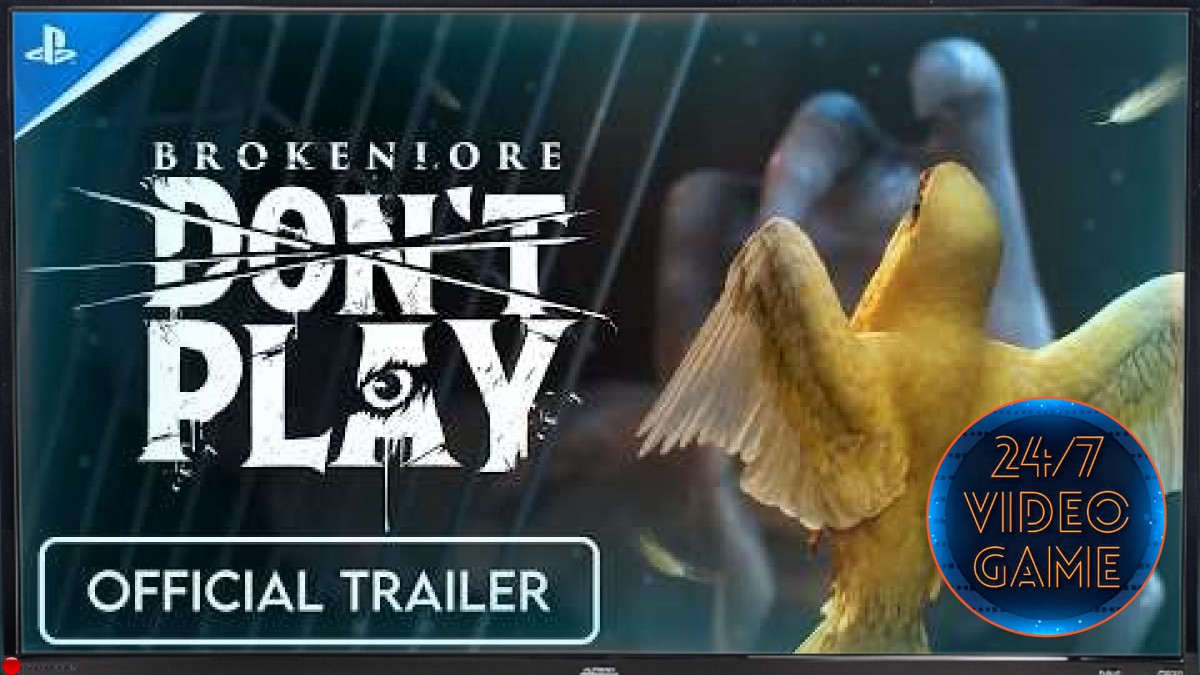
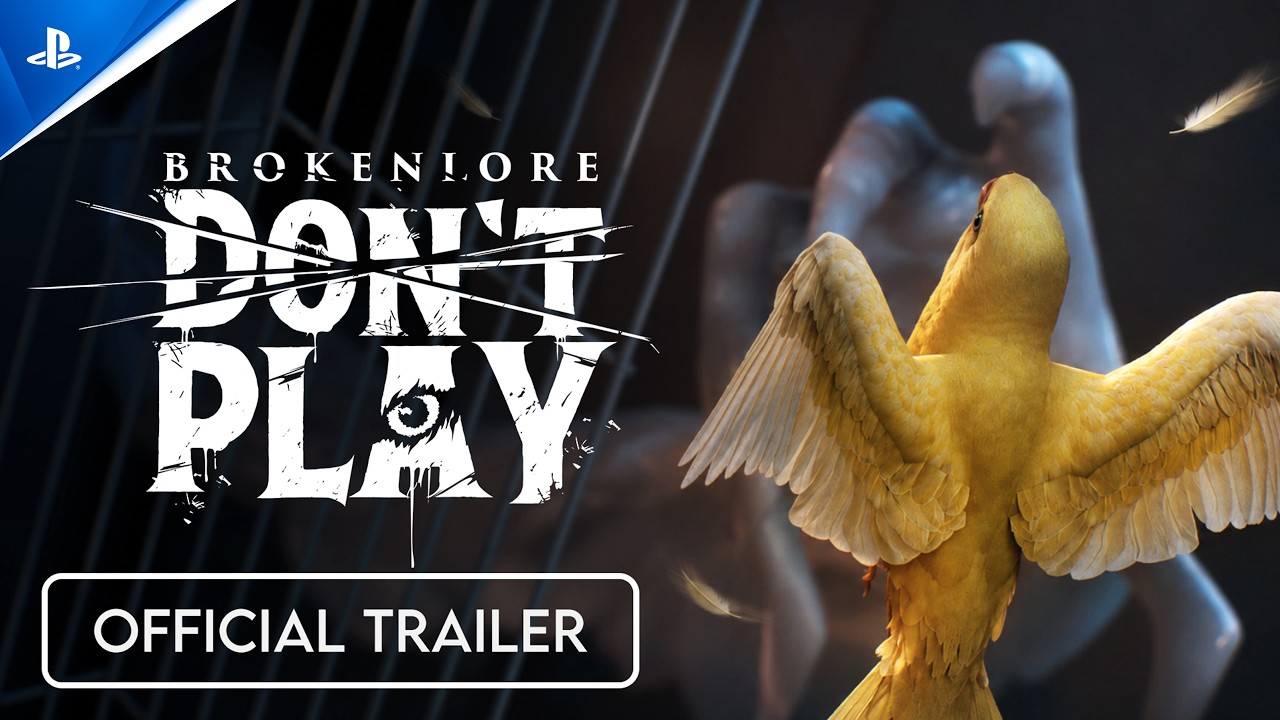
In BrokenLore Don’t Play, the screen is less a window into another world than a crack spreading through this one. The first-person psychological horror game follows Hideo, a young hikikomori whose fixation on video games and hunger for recognition make him especially vulnerable when a mysterious experimental console arrives. What begins as an invitation to play gradually becomes a threat to the boundary between virtual experience and reality—a premise that taps into the same uneasy questions explored by psychological horror and the shifting worlds of PlayStation games.
Hideo Is Searching for More Than a High Score
Hideo’s isolation gives the horror an emotional foothold. His desire to be seen and acknowledged is not just a character detail; it helps explain why an unfamiliar device and the game it contains might prove so difficult to resist. That tension gives Hideo a more complicated role than a conventional horror-game protagonist, while the story’s focus on retreating from everyday life lends it a human edge. The setup may appeal to players drawn to character-led unease in games such as those discussed by IGN and to broader conversations about isolation reflected in social isolation.
Five Levels Make Reality the Real Battleground
The game promises five increasingly disturbing levels, each carrying consequences beyond the console. That structure suggests a steady escalation rather than a single scare-filled sprint: every step deeper into the game threatens to make Hideo’s surroundings feel less reliable. The most compelling question is how those worlds will bleed together—and whether survival means escaping the game, confronting what it reveals, or simply enduring its effects. For players who enjoy horror that unsettles perception as much as it delivers scares, the premise sits comfortably alongside the genre coverage at GameSpot and the wider history of survival horror.
A Darker Thread in the BrokenLore Universe
BrokenLore Don’t Play also expands a larger story, with close connections to BrokenLore Don’t Watch and BrokenLore Don’t Lie. That shared universe gives returning players another reason to examine the details, while newcomers have an unsettling premise to follow on its own terms. The Horror Game Awards trailer frames the game as a psychological descent built around isolation, recognition, and a piece of technology that may be far more dangerous than it first appears. Rated Mature, it is aimed squarely at audiences who want their horror to linger after the screen goes dark; further details are available through the PlayStation Store listing and the official PlayStation site.