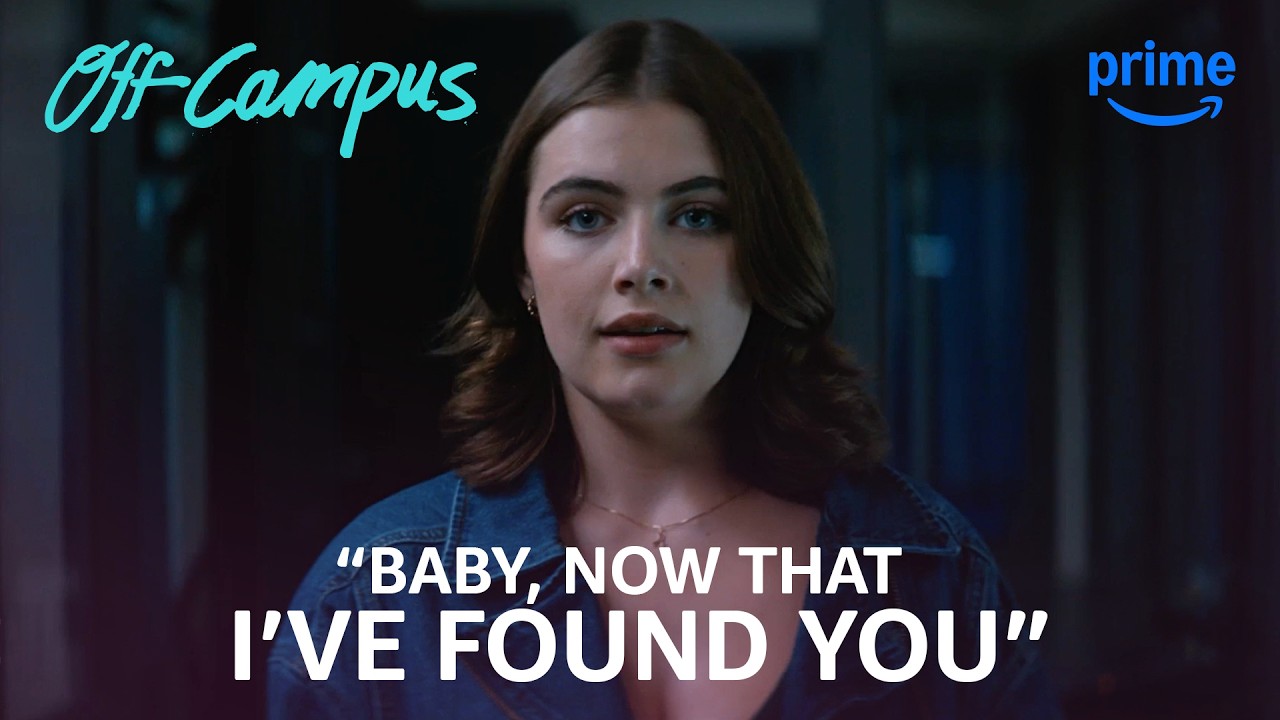
"Baby, Now That I’ve Found You" Scene | Off Campus | Clip | Prime Video
 &width=640&height=360[/embedyt] In the cinematic tapestry of contemporary romance, certain scenes crystallize the tension between aspiration and affection. The "Baby, Now That I’ve Found You" moment from the series Off Campus on Prime Video emerges as a compact study in narrative economy: a single exchange, a tempo shift, and a revelation that reframes the characters’ trajectories. This draft explores the scene through three lenses—character motivation, cinematic craft, and thematic resonance—while offering insights for readers who appreciate how small, well-placed beats can carry a larger emotional load. Character motivation and dynamic The scene centers on a critical inflection point for the protagonists, whose earlier interactions are defined by misalignment and guarded vulnerability. As the dialogue unfolds, the cadence slows to underscore sincerity, allowing the audience to glimpse a foundational shift: the moment when fear yields to commitment. The writing treats vulnerability as a strategic choice, not a default state, highlighting a maturity in the characters that invites viewers to reevaluate prior assumptions. The performance—through a combination of measured delivery, restrained gaze, and purposeful pauses—translates inner uncertainty into tangible intent, signaling to the audience that trust is taking root in a setting where stakes have always felt personal and immediate. Cinematic craft and texture From a production perspective, this clip leverages a restrained mise-en-scène to keep emphasis on dialogue and subtext. Close-ups capture micro-expressions—the flicker of a smile, a hesitated breath, the tilt of a head—that communicate more than spoken words. Lighting choices tend toward soft, natural tones, reinforcing the sincerity of the moment while preventing sentimentality from washing over the scene. The editing rhythm favors incremental, almost breath-like cuts that align with the pacing of the speech, allowing viewers to inhabit the pace alongside the characters. Sound design—the subtle rustle of fabric, a distant city hum, and the nuanced tonal shift in the score—serves as a nonverbal score that heightens the emotional stakes without overpowering the dialogue. Thematic through-lines and audience takeaways At its core, the scene encapsulates a universal tension: the fear and exhilaration of choosing companionship over solitude. The line referenced in the title—quotable and emotionally resonant—functions as a reframing of the lovers’ journey. It signals not just relief or triumph but a recommitment to a shared future that has, until now, been subtly negotiated in coded language and tentative steps. For viewers, the moment invites reflection on how expectations evolve once two people decide to invest in one another, even when uncertainty remains. The scene thus contributes to a broader arc about resilience, communication, and the choosing of partnership amid imperfect circumstances. Crafting a viewer-centric takeaway For readers who study screen storytelling, this clip offers a concise template for how to render a turning point with precision: narrow the focus to a pivotal exchange, couple dialogue with expressive performance, and frame the moment with sound and light that honor the emotional truth without borrowing from clichés. When articulated with care, such scenes become touchstones—reliable markers of character growth that fans can refer back to as a reference point for what comes next. Closing thought The "Baby, Now That I Found You" moment in Off Campus on Prime Video is more than a line or a romantic beat; it is a carefully calibrated moment of trust that reorients the story’s emotional geography. By combining deliberate writing, thoughtful performance, and understated production design, the scene achieves a lasting resonance that invites repeat viewing and deeper interpretation for fans and newcomers alike.
All the best video games, all the time. Watch no commentary gaming videos live and on demand. By Adrian M ThePRO the Game Professional.
Join The Pro Gamers Community
• You are a pro gamer! • Share your content! • Get discovered!
Join The Pro Gamers Community on social media or login to 24/7 Video Game and submit your posts right to this website.
Up Game Shop
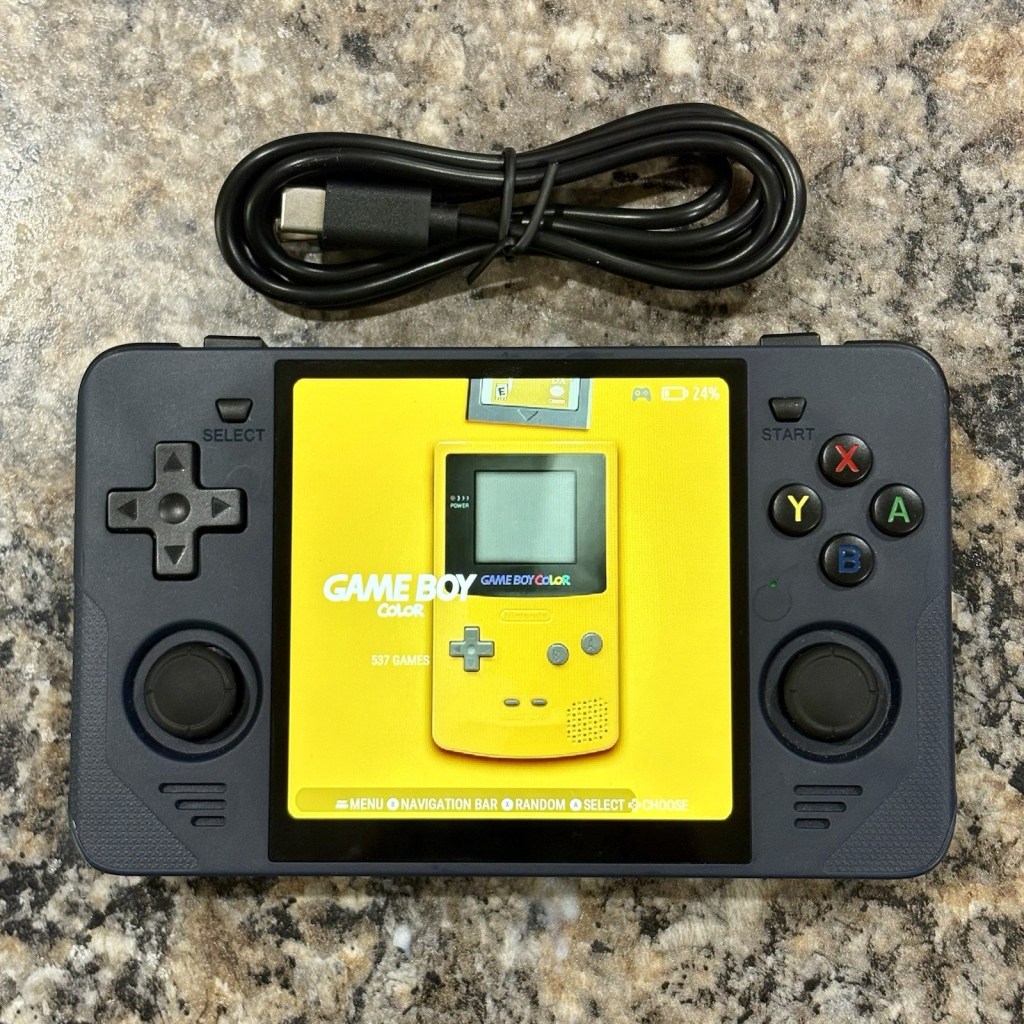
New & used video games, consoles, handhelds, retro, and gaming merchandise. Up Game Shop has the latest and greatest video game deals on the internet.