 247videogame
 Atari 8-bit vs C64 : BLUE MAX (Side by side comparison)

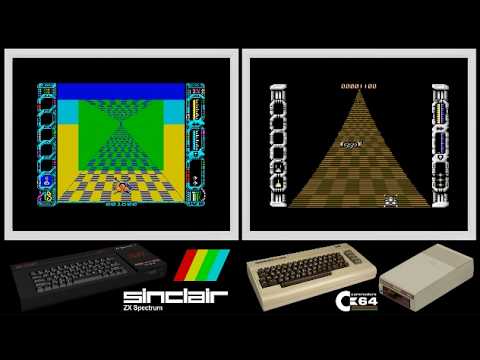
A side by side comparison of Blue Max for the Atari 8-bit (Atari 400/800/XL/XE) and the Commodore 64. Left video = Left speaker. Right video = Right speaker. On your device set left/right audio balance to 0, if you want only audio from one version.
Atari 8-bit vs C64 : BLUE MAX (Side by side comparison)
Blue Max, known for its soaring aerial combat and challenging mission structure, stands as a notable benchmark in the early 8-bit era of home computing. When comparing the Atari 8-bit family to the Commodore 64, the differences become a lens through which we can explore how hardware capabilities, system software, and game design converge to shape player experience. This side-by-side examination focuses on how BLUE MAX leverages each platform, highlighting where performance, presentation, and playability diverge.
First, hardware foundations set the stage. The Atari 8-bit line, with its custom ANTIC and GTIA graphics chips, offered smooth sprite handling, flexible palette management, and responsive input timing. The Commodore 64, powered by the VIC-II graphics chip and 6510 CPU, delivered distinctive colour handling, raster effects, and a broad memory map that could be pushed to surprising limits with clever programming. In BLUE MAX, these architectural differences manifest in practical terms: on Atari, players may enjoy tighter sprite motion, cleaner scrolling, and more immediate frame delivery during high-G maneuvers; on the C64, the challenge often lies in squeezing additional colour depth and atmospheric effects from a tightly constrained video matrix.
Graphics and presentation form a core point of contrast. The Atari version tends to present a crisper, more saturated color palette with reliable sprite layering that keeps the player’s aircraft and enemies sharply defined against the sky and terrain. The C64 rendition frequently favors richer background detail and more dynamic shading within the same memory budget, at times producing a denser, more cinematic feel. While the Atari may feel smoother during rapid stunts, the C64 can deliver a more visually dense scene that rewards careful observation and timing in dogfights. Players who prioritize clean visuals and responsive controls may prefer the Atari port, whereas those who enjoy a richly textured world and nuanced visual cues might gravitate toward the C64 version.
Sound design marks another axis of distinction. The Atari’s audio channel arrangement enables punchy, action-oriented cues for engine roars, gunfire, and impact effects, contributing to a sense of immediacy during every engagement. The C64’s SID chip, with its characteristic warmth and versatility, can provide more nuanced engine hums, dynamic cockpit ambience, and layered effects that enhance the overall immersion. In BLUE MAX, the auditory differences complement the respective hardware strengths: the Atari delivers direct, crisp feedback; the C64 offers a warmer, more atmospheric sonic landscape that can tighten the sense of presence in aerial combat.
Gameplay and control feel complete the triad of considerations. On Atari systems, input response tends to be brisk, with precise handling that can translate into tighter maneuvering during high-speed dives and sharp turns. The C64 control scheme often emphasizes a balance between maneuverability and resource management, where pilots must exploit the aircraft’s capabilities while contending with the constraints of the platform’s memory and processing window. The resulting experiences differ: players on the Atari may experience more consistent flight models and fewer frame-rate hiccups, while C64 players may encounter occasional pop-in or color-related raster tricks but gain a deeper sense of immersion through sound and environment cues.
From a design perspective, BLUE MAX benefits from platform-specific optimization. The Atari version benefits from straightforward sprite-based action and smoother motion, enabling accessible arcade-style combat that feels fair and quick. The C64 version leans into its strength in background detail, color variety, and audio richness to create a more atmospheric mission structure, inviting longer play sessions and exploratory engagement with the flight scenarios. Both ports honor the game’s core premise—precise piloting, strategic engagements, and a high-stakes sense of danger—while each platform emphasizes different facets of that premise.
In closing, BLUE MAX on the Atari 8-bit and the Commodore 64 offers a compelling study in how hardware character shapes game feel. The Atari iteration tends to reward precision, speed, and clarity of visuals, delivering a tight, responsive flight experience. The C64 version, meanwhile, leans into texture, atmosphere, and sound to create a more immersive, if occasionally more demanding, aviation epic. For enthusiasts and historians alike, exploring both ports side by side illuminates how developers navigated architectural constraints to deliver compelling, memorable gameplay in the early era of home computing.
24/7 Video Game
All the best video games, all the time. Watch no commentary gaming videos live and on demand. By Adrian M ThePRO the Game Professional.
Join The Pro Gamers Community
• You are a pro gamer! • Share your content! • Get discovered!
Join The Pro Gamers Community on social media or login to 24/7 Video Game and submit your posts right to this website.
Up Game Shop
New & used video games, consoles, handhelds, retro, and gaming merchandise. Up Game Shop has the latest and greatest video game deals on the internet.

Discover more from 24/7 Video Game
Subscribe to get the latest posts sent to your email.