When the Router Joins the Loadout
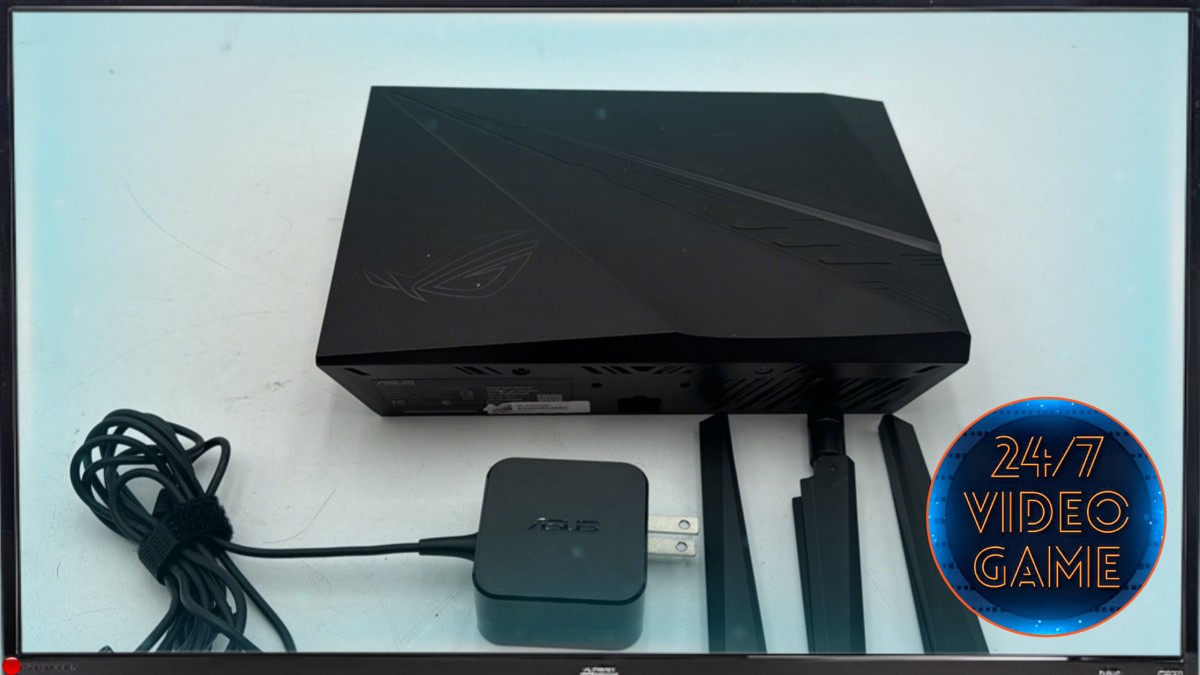
A gaming setup is only as dependable as the connection carrying every match, download, and voice-chat call. The ASUS ROG Rapture GT-AC2900 puts that often-overlooked part of the experience front and center, pairing dual-band wireless with a design aimed squarely at players. Its place in the ASUS ROG networking lineup reflects a familiar gaming-era idea: performance is not just about the console or PC, but also about the infrastructure behind it. For a broader look at how wireless networks work, Wikipedia’s overview of wireless LANs offers useful context.
Four LAN Ports for a Wired-In Crew
Wireless convenience is hard to beat, but a wired connection can still be a welcome choice for a stationary gaming PC, console, or other gear. The GT-AC2900’s four LAN ports give a household room to connect several devices directly, while its USB 3.0 port adds another option for compatible peripherals or storage. That mix makes the router feel less like a one-device accessory and more like a small command center for a busy setup. ASUS explains its networking products through its official router lineup, while Ethernet’s long-running role in networking helps explain why a cable remains a useful gaming companion.
Dual-Band Wi-Fi for a Crowded Digital Home
The dual-band design gives the router two wireless frequency bands to work with, a practical feature in homes where gaming shares airtime with streaming, browsing, and smart devices. It cannot guarantee a flawless connection in every environment—placement, interference, and internet service all matter—but it offers flexibility when organizing a network around different devices. That balance between wireless freedom and a stable gaming setup is central to the promise of gaming-focused networking. Readers can explore the basics of dual-band devices and the broader landscape of PC gaming hardware and culture.
A ROG-Flavored Hub for the Whole Setup
The ASUS ROG Rapture GT-AC2900 makes its pitch through a clear combination: dual-band Wi-Fi, multiple wired connections, and USB 3.0 in a router branded for gaming. For players looking to bring more of their setup under one network hub, those features are the headline—not a promise that equipment alone can erase every lag spike or crowded-channel headache. The most compelling choice depends on the home’s devices, layout, and connection needs, so checking the manufacturer’s product information is a sensible next step. For the wider conversation around gaming gear, IGN’s technology coverage offers another perspective on the hardware shaping play.