 247videogame
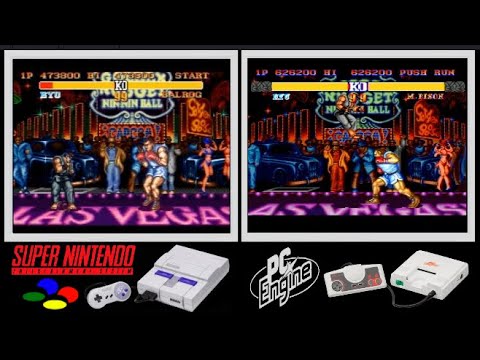
 Apple II vs ZX Spectrum : STUNT CAR RACER (Side by side comparison)

A side by side comparison of Stunt Car Racer for the Apple II (homebrew) and the ZX Spectrum. Left video = Left speaker. Right video = Right speaker. On your device set left/right audio balance to 0, if you want only audio from one version.
Apple II vs ZX Spectrum : STUNT CAR RACER (Side by side comparison)
In the pantheon of late-80s home computing, the Apple II and the ZX Spectrum stood as two distinct voices in a rapidly evolving arcade-style landscape. When a title like Stunt Car Racer emerged, it became a natural test case for how each platform translated speed, control, and spectacle from arcade cabinets to the living room. This side-by-side analysis examines how Apple II and ZX Spectrum handled the core elements of Stunt Car Racer—graphics, performance, physics, sound, and playability—through the lens of their respective hardware constraints and design philosophies.
Graphics and Presentation – ZX Spectrum: The Spectrum’s characteristic color clash and attribute-based graphics defined its visual language. Stunt Car Racer on this platform often embraced bold, high-contrast visuals with simplified textures and prominent palette limitations. The sense of speed and scale could be conveyed through clever tiling, parallax-like scrolling, and optimized sprite work. The result is a visually striking but intentionally schematic rendition of the racecourses, where the thrill comes from perception and imagination rather than photoreal detail. – Apple II: The Apple II, with its more generous color and resolution options in certain modes, allowed for a crisper, more structured presentation. Stunt Car Racer on the Apple II tends to favor smoother line work, more consistent color usage, and a cleaner UI for course rendering. The trade-off is that the spectrum of on-screen action may appear less flamboyant than on the Spectrum, but the reliability of motion and object placement can feel more precise due to the platform’s relative computational simplicity and established graphics routines.
Performance and Handling – ZX Spectrum: The ZX Spectrum’s Z80-based engine, while capable, faced real constraints in clock speed and memory. Stunt Car Racer leverages simplified physics and compact collision detection to maintain a playable frame rate. Players may notice tighter control responses and a need to adapt to occasional frame-rate fluctuations. The result is a challenging driving experience that emphasizes skill and pattern recognition as speed builds and the track presents its ramps and gaps. – Apple II: On the Apple II, performance is heavily influenced by the exact model and graphics mode used. When optimized, Stunt Car Racer can deliver a smoother sense of acceleration and more predictable handling. The higher-resolution rendering options can contribute to more legible track boundaries and a feeling of steadier progression. The downside, for some players, might be a reduced sense of the frantic pace that characterizes Spectrum versions, depending on how aggressively the game pushes the renderer.
Physics and Track Design – ZX Spectrum: A successful Spectrum port hinges on balancing plausible real-world physics with arcade immediacy. Stunt Car Racer on this platform tends to emphasize a physics loop that rewards precision jumps, careful line choice through straights, and the strategic use of ramps. Tracks often present bold, undulating profiles that maximize the spectacular nature of stunts while staying within the machine’s computational envelope. – Apple II: The Apple II approach to physics can feel more grounded in deterministic math, with the potential for more consistent gravity, traction, and collision responses. Track design may appear more methodical, with layout decisions favoring repeatable sections and clear feedback for the player’s timing. This can yield a satisfying sense of mastery as players learn each course’s rhythm and exploit its corners and ramps with confidence.
Audio and Atmosphere – ZX Spectrum: Audio on the Spectrum leans into chiptune-style effects and punchy, sparse sound design. In Stunt Car Racer, sound serves as an effective cue for speed, jumps, and collisions, complementing the visuals with an audible sense of momentum. The absence of complex accompaniment places greater emphasis on immediate, tactile feedback from the controller and the track. – Apple II: The Apple II’s sound capabilities allow for more nuanced audio possibilities depending on the sound hardware and software implementation. A well-tuned version can deliver clearer engine roars, more distinct collision hits, and a more immersive auditory layer that supports the sense of altitude and velocity on the course. The trade-off often comes down to the availability of sound libraries and ROM support for the specific model in use.
Playability and Player Experience – ZX Spectrum: The Spectrum’s input ecosystem—keyboard and often a single-button joystick—shapes how Stunt Car Racer is engaged. The game rewards precision, timing, and the willingness to practice. The challenge curve tends to be steep, with immediate feedback from the track’s geometry driving a loop of retrying and refining technique. – Apple II: On the Apple II, controls might offer more varied feel due to different joystick interfaces or keyboard mapping. With careful tuning, the game can feel remarkably responsive, encouraging a more deliberate driving style. The player’s sense of control can be heightened by consistent physics and predictable environmental responses, contributing to a more cerebral, methodical racing experience.
Conclusion Stunt Car Racer on the Apple II and the ZX Spectrum each embody the strengths and constraints of their platforms. The ZX Spectrum version leans into speed, spectacle, and a bold, arcade-driven thrill that capitalizes on aggressive, rapid-fire feedback loops. The Apple II rendition tends to emphasize cleaner presentation, consistent physics, and a more controlled sense of progression, inviting players to master the course through repeated, thoughtful practice.
For historians and enthusiasts, the side-by-side comparison illuminates how two machines with different design philosophies could converge on a single concept—stunt-laden racing through air and asphalt—yet deliver distinctly flavored experiences. The enduring lesson is clear: success in retro racing is not solely about raw power, but about how a title choreographs perception, rhythm, and response within the hardware it calls home.
24/7 Video Game
All the best video games, all the time. Watch no commentary gaming videos live and on demand. By Adrian M ThePRO the Game Professional.
Join The Pro Gamers Community
• You are a pro gamer! • Share your content! • Get discovered!
Join The Pro Gamers Community on social media or login to 24/7 Video Game and submit your posts right to this website.
Up Game Shop
New & used video games, consoles, handhelds, retro, and gaming merchandise. Up Game Shop has the latest and greatest video game deals on the internet.

Discover more from 24/7 Video Game
Subscribe to get the latest posts sent to your email.