
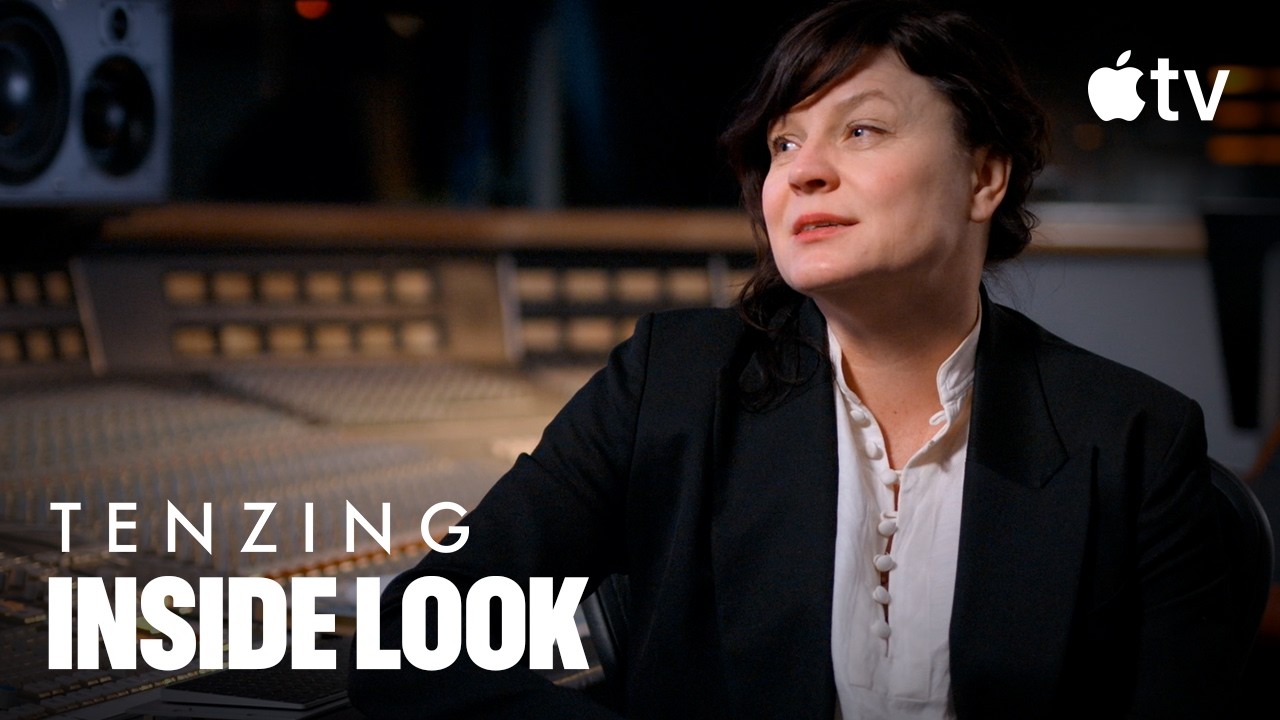
Tenzing turns one of history’s most famous climbs into a biographical adventure drama about ambition, belonging, and trust. In an Apple TV featurette, composer Rebekka Karijord offers a glimpse into the challenge of shaping music that feels both immense enough for Everest and intimate enough for the people risking everything to reach its summit. The film stars Genden Phuntsok as Tenzing Norgay, alongside Tom Hiddleston and Willem Dafoe, and is streaming on Apple TV.
Tenzing’s Music Has to Hold Two Worlds
Everest supplies the obvious grandeur: a landscape of imposing scale, thin air, and unforgiving danger. But the story’s emotional terrain is just as demanding. Tenzing Norgay’s determination to be recognized as an equal member of the British expedition brings questions of class, background, and ambition into every step of the ascent. Karijord’s task, as the featurette describes it, is to build a score capable of carrying both the mountain’s overwhelming presence and the personal stakes of the climbers moving through it.
That balance is what makes the musical premise compelling. A score can make a summit feel monumental, but Tenzing’s story also depends on quieter shifts: the hard-won trust between two outsiders, the pressure of competing expectations, and the pull of a lifelong dream. The result needs room for spectacle without letting spectacle swallow the people at its center. For readers drawn to music and soundtracks, the featurette offers a look at how a composer approaches that delicate dramatic scale.
The Summit Is More Than a View
Directed by the true story’s historical weight, the film follows Tenzing and New Zealand mountaineer Edmund Hillary on their landmark attempt to become the first climbers to reach Everest’s summit. Yet the mountain is not the only obstacle. Tenzing’s insistence on being treated as an equal gives the expedition a human tension that sits alongside the physical peril, making the climb a test of recognition and mutual trust as well as endurance.
That emphasis distinguishes Tenzing from a straightforward survival spectacle. The film’s central relationship recalls the human scale of Everest, while its focus on a real, consequential ascent invites comparison with the documentary Free Solo—though Tenzing’s dramatic engine is as much about unequal power and shared purpose as it is about danger. The story also restores attention to Norgay’s role in a historic achievement often remembered through a narrower lens. Readers can explore more about Tenzing Norgay’s life and the history behind the climb.
Rebekka Karijord Scores the Human Stakes
Karijord’s inside look centers on the creative process rather than offering a track-by-track breakdown, but its guiding idea is clear: the music must feel grand and intimate at once. That contrast mirrors the film itself. Everest can dwarf its climbers in a single image, while a score can bring the audience close to the resolve, uncertainty, and connection that carry them upward. For a deeper look at the film and its availability, visit Apple TV; more screen stories can be found in 247videogame.com’s movies and TV features.
redirecting to