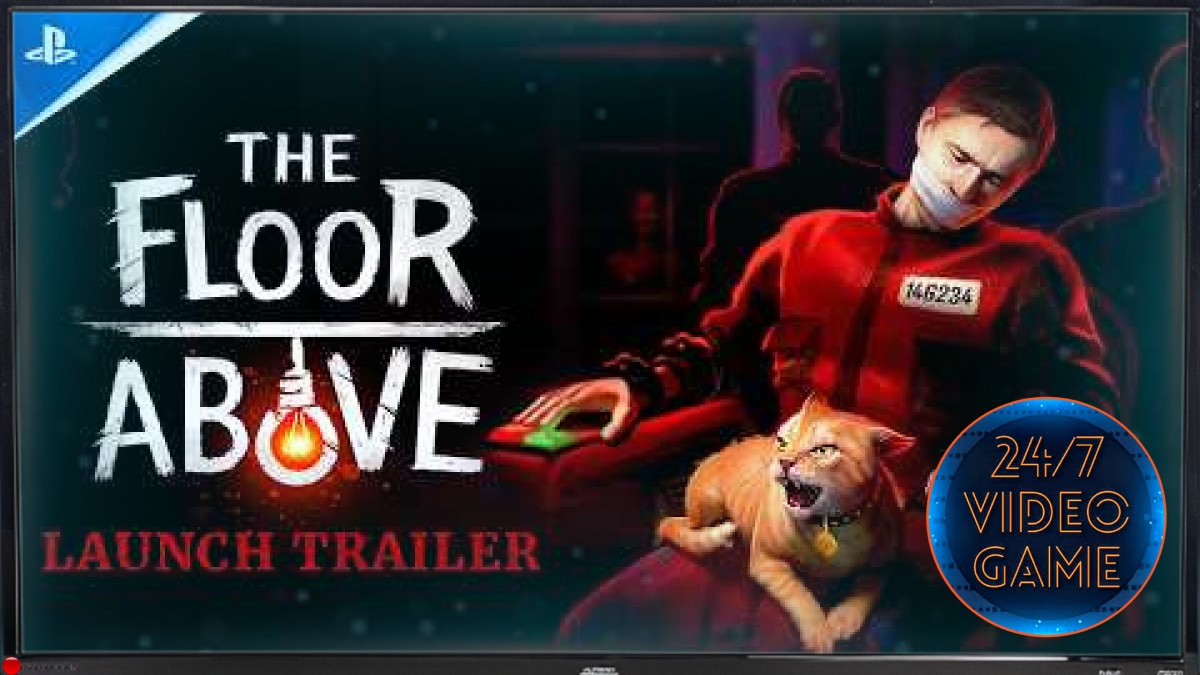
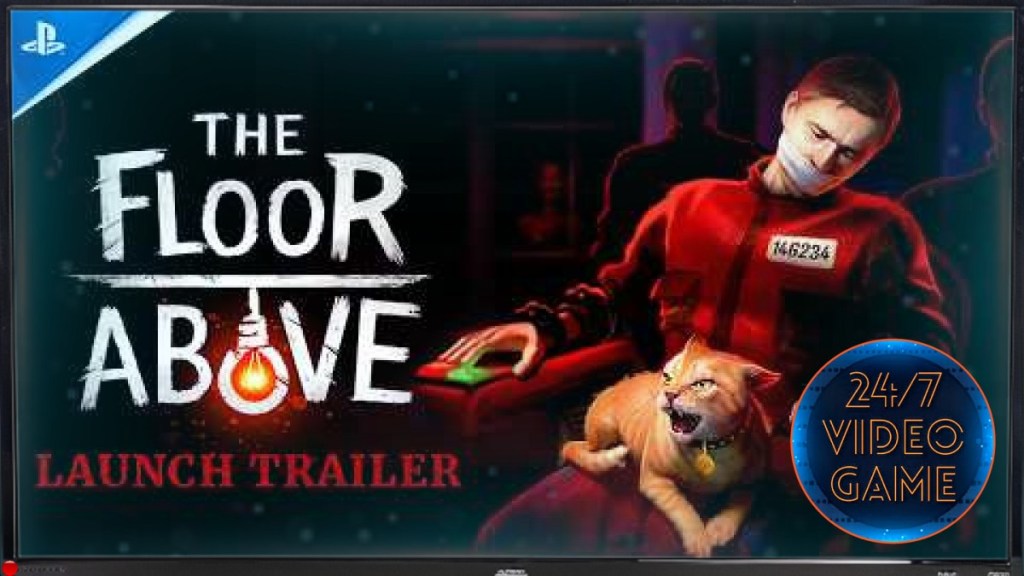
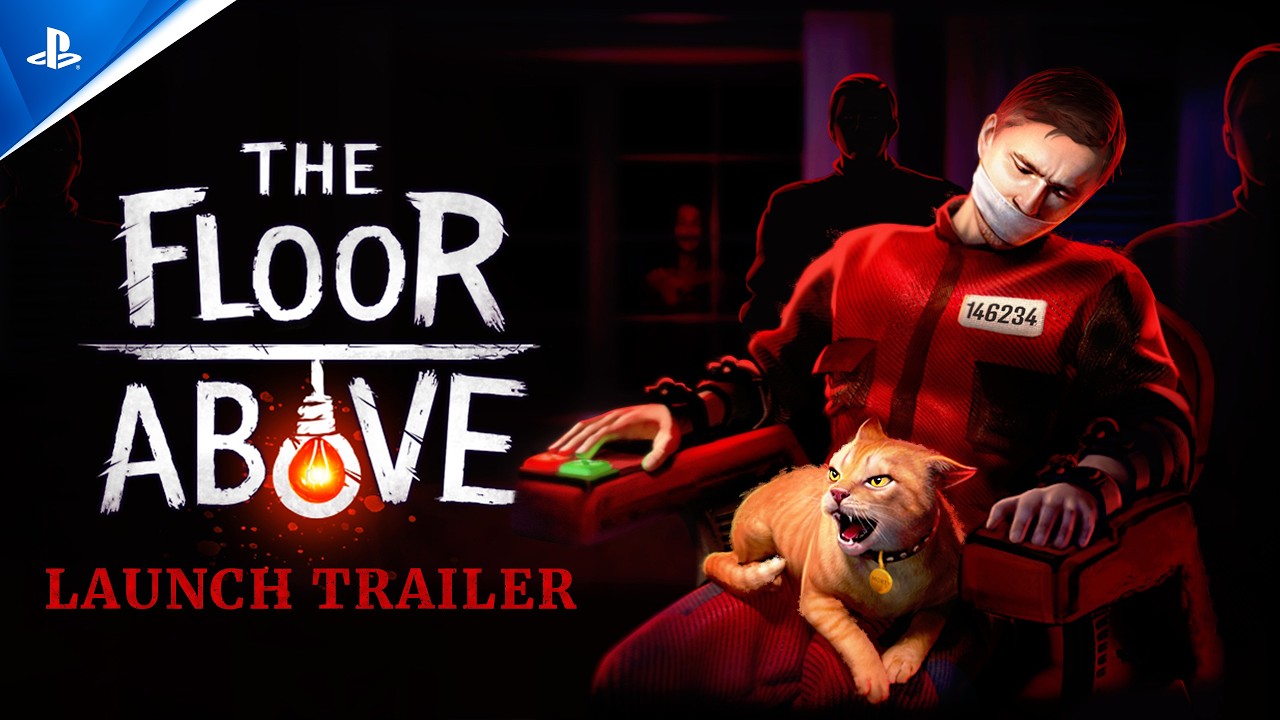
The Floor Above is out now on PS5, bringing a tightly focused dose of anomaly horror to Sony’s console. Its setup is instantly unsettling: the player wakes strapped to a chair in a room that keeps looping, with only a few actions available—and no certainty that what’s happening is real. The PlayStation Store page offers a closer look at the game.
The Floor Above Makes Stillness Feel Dangerous
Rather than promising a sprawling arsenal or frantic escape, the trailer frames helplessness as the central mechanic. Players can turn, blink, and decide what to believe. Those limited choices make every detail in the room feel charged: a familiar object might be harmless, or it might be the one thing that has changed. In The Floor Above, paying attention is not just a useful habit; it is the game’s apparent line between a pattern and a threat.
A Looping Room With No Easy Answers
The repeating setting gives the horror a distinctive rhythm. Each return to the room invites another inspection, while the uncertainty over whether events are real keeps even small variations open to interpretation. That approach recalls the psychological unease of P.T., where a familiar corridor became frightening through repetition and subtle shifts, but The Floor Above adds a striking constraint: its protagonist is strapped in place. The result is a premise built less around running from danger than studying it.
Five Episodes, One Unsteady Reality
The experience unfolds across five episodes, giving the repeating-room premise room to develop without promising details the trailer has not revealed. That episodic structure could make each installment a fresh test of observation, inviting players to question what has changed and whether their interpretation can be trusted. The game’s PS5 release is confirmed, though the available description does not identify a developer or provide further details about its visual technology.
The Floor Above Keeps the Fear Close
For fans of psychological horror, the appeal is clear: a confined space, a handful of actions, and a question that grows harder to answer with every loop. The latest game trailers often sell spectacle through movement and scale; this one draws attention to what the player cannot do. That restraint may be the game’s sharpest hook, turning a chair, a room, and a blink into the ingredients of a sustained unease.