
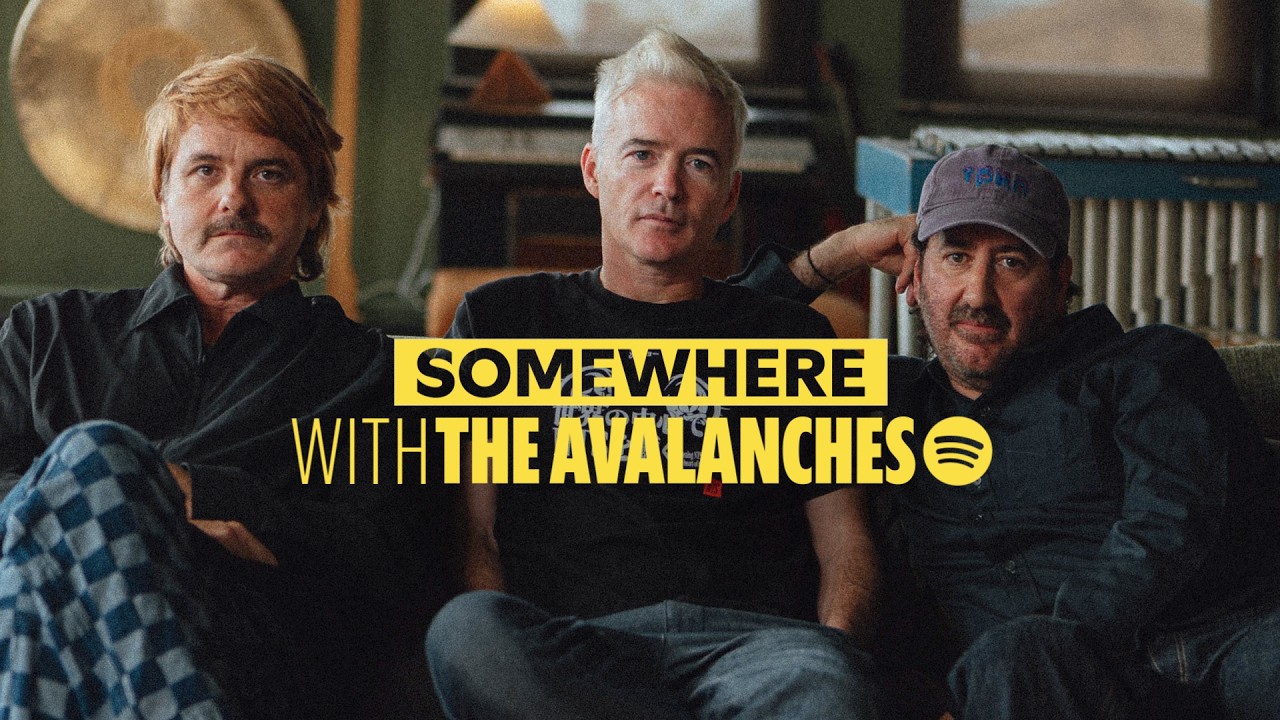
At Space Mountain Studio, The Avalanches discuss the memories, friendships and stories behind No Bad Memories in Spotify’s Turn Up Aus feature. The conversation offers a glimpse into a creative process built not around a conventional concept, but around the way recollections shift and gather meaning over time. For listeners drawn to the art of musical collage, the group’s reflections make the album’s title feel less like a slogan and more like an invitation to revisit the past.
The Avalanches Find a Story in an Old Slogan
No Bad Memories takes its name from an old floppy disk advertising slogan, a fragment of commercial language repurposed as a creative starting point. That transformation suits a group whose work has long been associated with finding new life in existing sounds and ideas. Here, advertising becomes more than a passing reference: it opens a conversation about the stories people tell themselves, and how those stories can shape the way a memory is preserved.
The feature’s setting adds an intimate frame to those ideas. Rather than presenting the album as a finished object sealed off from its makers, the studio conversation brings attention to the relationships and recollections surrounding it. The Avalanches speak about friendship as part of the record’s foundation, suggesting that a shared history can be its own kind of creative material. Readers curious about the wider world of music and sound will find the discussion especially rewarding for its focus on how personal connections can inform an artistic work.
Memory Becomes The Avalanches’ Raw Material
Memory is an elusive subject for any artist. A recollection can feel vivid one moment and uncertain the next, altered by time or by the meaning attached to it. The Avalanches’ conversation embraces that ambiguity, linking the album to both remembered experience and the narratives people construct around it. That approach has an appealing parallel with a carefully designed game world: like the fragments of lore scattered through Gone Home, an assembled history can invite an audience to make connections rather than simply receive answers.
A Short Film Extends the Album’s World
The discussion also turns to a short film made with Jonathan Zawada, extending the project beyond sound into visual storytelling. The description does not detail the film’s imagery, but its presence underscores the group’s interest in shaping a broader world around the record. The Avalanches’ official site offers another point of entry into the group’s work, while the group’s background provides context for their place in Australian music.
The Avalanches Leave Space for the Listener
Rather than pinning every memory to a single definitive meaning, the feature presents No Bad Memories as a record shaped by friendship, advertising, recollection and self-narration. That open-ended quality is part of its appeal: the ideas behind the album may begin with the group, but listeners bring their own histories to the experience. For more coverage at the intersection of sound and interactive culture, explore 247videogame.com’s music hub, then watch the Spotify feature for the conversation at its source.