Final Fight 2 Brings the Brawl Back Home
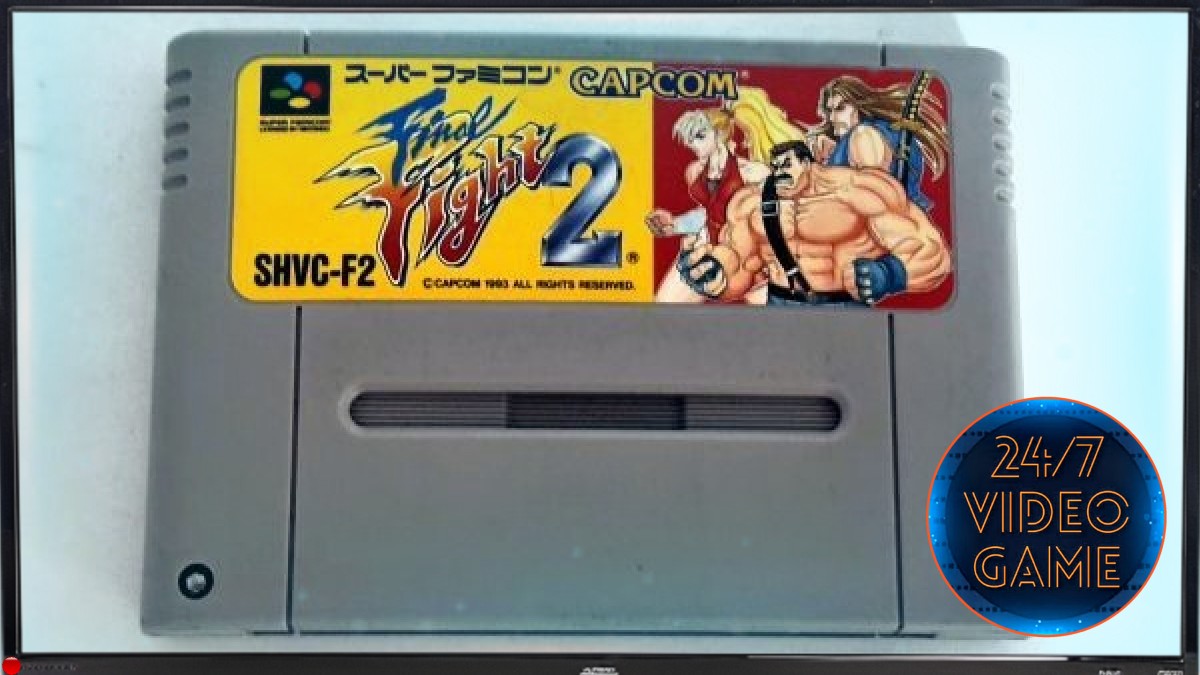
When Final Fight 2 landed on the Super Famicom, it carried the scrappy, street-level appeal of arcade beat ’em ups into a new adventure built for the home console. The original game’s Metro City showdown had made a lasting impression, and this sequel widened the map: the Mad Gear gang is back, and the fight stretches across international locations. That globe-trotting premise gives the familiar punch-and-kick action a fresh sense of scale, while keeping its focus on the satisfying simplicity that defines the genre. For a window into the series’ history, explore Final Fight 2’s background and the wider Final Fight series.
Three Fighters, One Very Direct Mission
The sequel’s roster makes its own statement. Returning hero Mike Haggar is joined by martial artist Maki Genryusai and fighter Carlos Miyamoto, giving players distinct personalities to take into the fray. Their mission is refreshingly uncomplicated: move forward, face down waves of enemies, and make every well-timed strike count. That straightforward rhythm is a big part of the game’s enduring appeal, connecting it to the broader tradition of side-scrolling action games documented in the beat ’em up genre and the Super Nintendo’s era.
A Super Famicom Cartridge With Arcade Energy
As a Super Famicom release, Final Fight 2 belongs to a period when console hardware was bringing arcade-style experiences into living rooms with their own pacing and identity. The core pleasure remains tactile and immediate: read the crowd, find an opening, and turn a chaotic screen into a carefully managed brawl. Its cooperative action also captures the social magic of the genre, where a second player can turn a tough run into a lively shared session. The console’s place in gaming history is explored by Nintendo, while MobyGames’ game database offers a broader lens on classic releases.
Why Final Fight 2 Still Has a Pull
Part of the game’s charm is how clearly it understands its own appeal. There is no elaborate detour between the player and the action: the journey is a string of confrontations, each one inviting another attempt at mastering its patterns. That clarity makes Final Fight 2 an appealing snapshot of the 16-bit action era, whether encountered as a piece of Capcom history or as a brisk, hands-on reminder of how much character a well-made brawler can pack into a simple premise. More about Capcom’s long-running catalog can be found at Capcom’s official site, while IGN’s game coverage provides context for the medium’s changing generations.