Xiaomi 18 Pro arrives with flagship ambition
At its new-product launch, Xiaomi introduced the Xiaomi 18 Pro Series with a pitch built around more than a familiar glass-and-metal makeover. The keynote moved from design and color choices to displays, battery technology, and camera hardware, framing the Pro and Pro Max as premium phones meant to make everyday features feel a little more considered. The event’s mix of polished industrial design and headline-grabbing specs fits the broader direction of the Xiaomi phone lineup, while its emphasis on imaging nods to the company’s ongoing collaboration with Leica.
A button for AI and a screen built for privacy
One of the more intriguing details is a dedicated AI button, giving Xiaomi’s software ambitions a physical foothold rather than leaving them buried in menus. The keynote also highlighted the HyperRGB privacy display and smart privacy features, suggesting that the screen is being treated as both a window into the phone and a surface that should offer users more control. Those ideas land in a crowded field where interface design matters as much as raw specifications; Android’s evolving platform features provide useful context, while PCMag’s coverage follows how phone makers turn new technology into practical tools.
More power, with battery life in the spotlight
Under the hood, the series pairs a Snapdragon chipset with a dedicated cooling discussion, a familiar flagship combination aimed at sustaining performance through demanding apps and games. Xiaomi also put its silicon-carbon battery technology front and center, an important move as premium phones continue to balance thinner designs against the expectation of all-day endurance. The keynote’s focus on cooling and battery capacity speaks to a wider hardware race involving chip designers such as Qualcomm and the makers of next-generation battery materials, including researchers tracked by the U.S. Department of Energy.
Leica cameras go big on resolution
The camera system is the series’ loudest statement: Xiaomi showcased dual 200MP Leica cameras, with separate attention given to the main camera and a telephoto lens built for zoom. Resolution alone does not guarantee better photos, of course, but the pairing points to flexibility—capturing detailed everyday shots on the main sensor and reaching farther without relying entirely on digital cropping. The keynote also emphasized the 200MP telephoto camera, placing long-range photography alongside the partnership’s signature imaging identity; readers can explore the camera heritage at Leica’s official site and follow the wider smartphone camera landscape through DXOMARK’s phone reviews.
The rear display turns into a creative tool
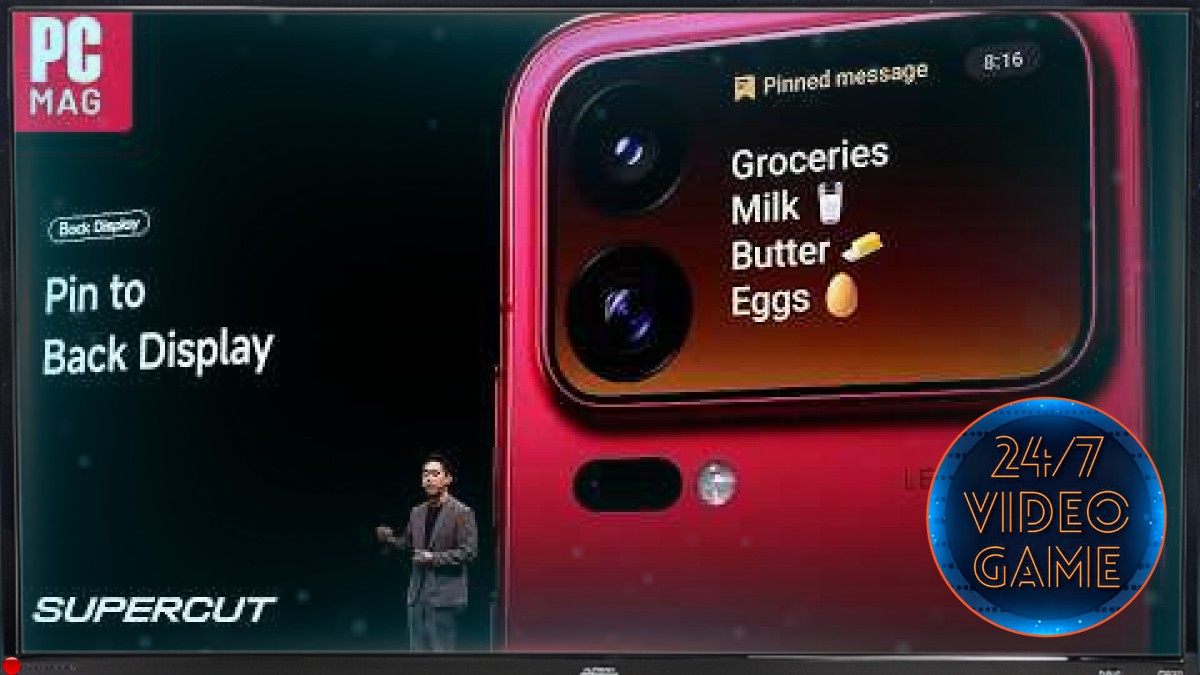
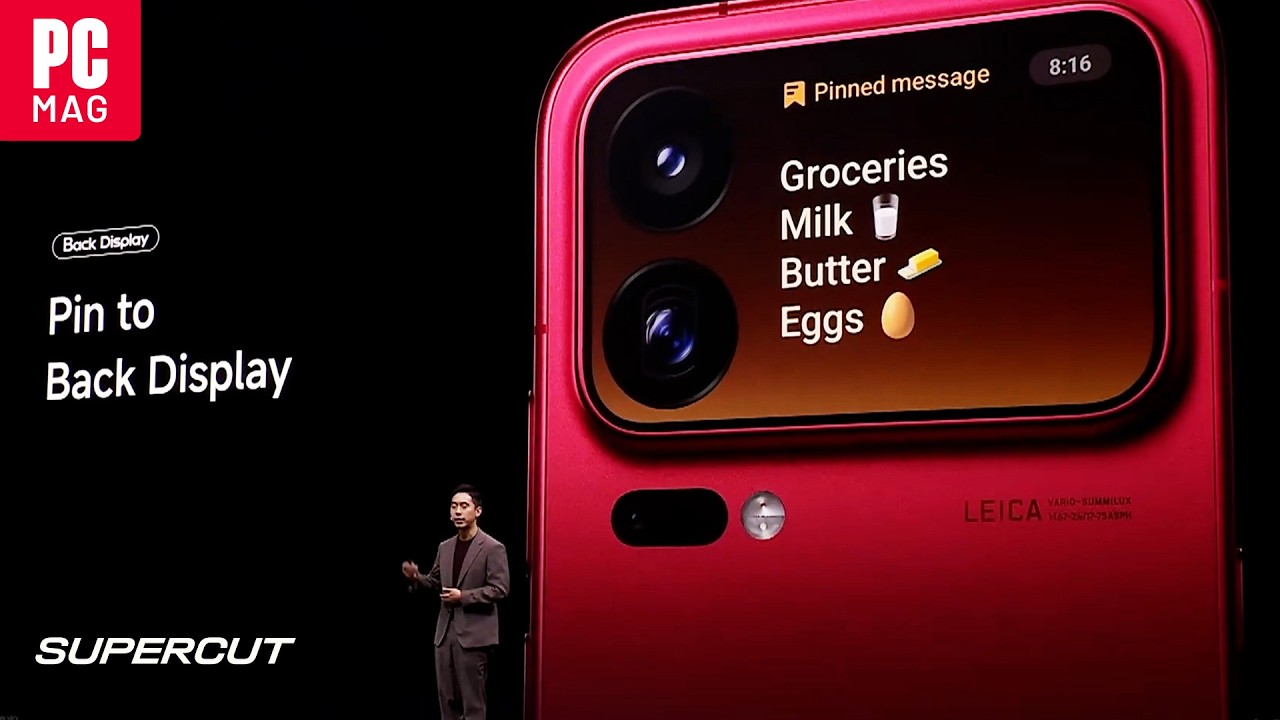
Perhaps the most distinctive flourish is the rear display, presented as more than a decorative panel. Xiaomi showed it handling shortcuts and information at a glance, then demonstrated a particularly practical use: framing selfies and vlogs with the phone’s rear cameras. That could make a compact secondary screen useful to creators who want a better preview while filming, as well as anyone hoping to take sharper self-portraits without guessing at the composition. The feature gives the 18 Pro Series a memorable visual hook, and it connects neatly to the creator-focused tools found across YouTube’s creator resources and the camera guides at Adobe Creative Cloud.
A feature-packed pitch with room to prove itself
Taken together, the keynote presents the Xiaomi 18 Pro Series as a phone family trying to make its biggest numbers serve tangible experiences: AI access with a dedicated control, privacy-conscious viewing, ambitious battery engineering, and a camera system that makes the rear screen part of the shooting process. The launch highlights offer a compelling first look, though real-world reviews will determine how those features perform beyond a carefully staged presentation. For the event’s full rundown, visit PCMag, and keep an eye on Xiaomi’s official channels for regional availability and additional product details.