Recovery rarely follows a straight line
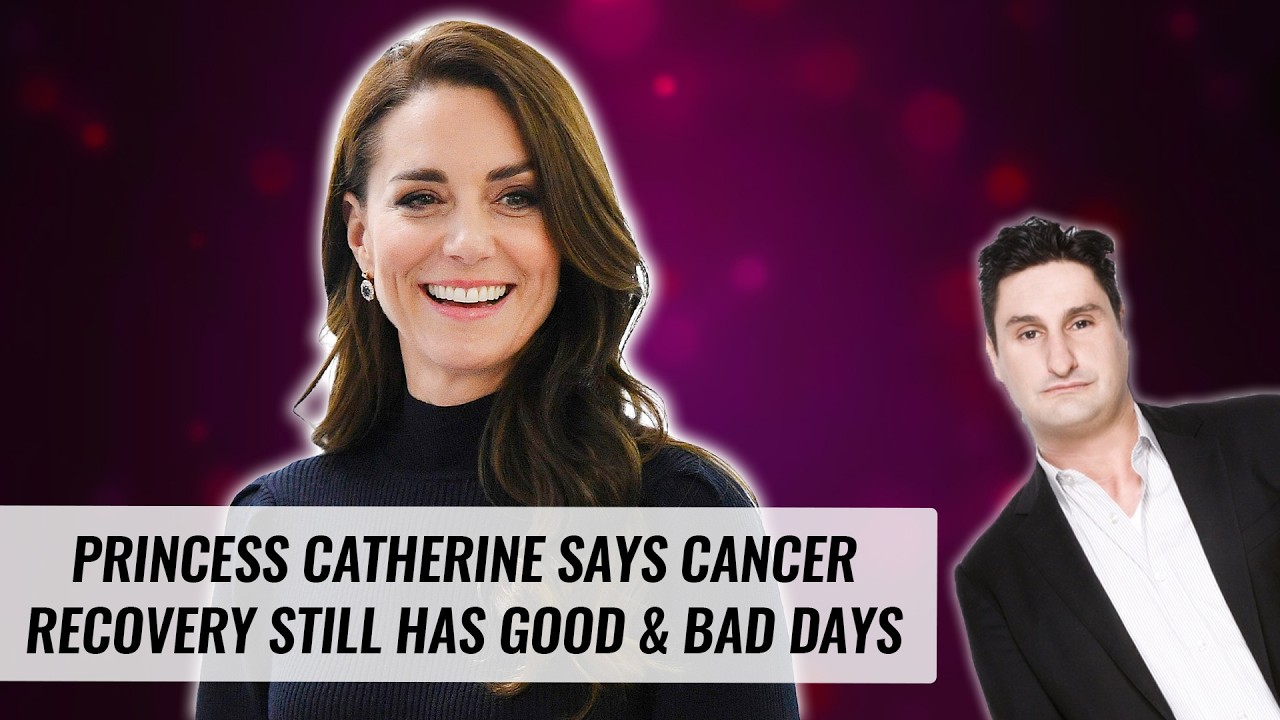
Princess Catherine’s candid acknowledgment that cancer recovery still brings good days and bad days offers a grounded reminder that healing is rarely a clean, predictable climb. Progress can coexist with fatigue, uncertainty, and moments when the path feels harder than it did the day before. That reality gives her update a quiet resonance beyond royal headlines, echoing the broader conversations about cancer care shared by the NHS and the National Cancer Institute. The key message is not that every day must look like a victory, but that recovery takes time, setbacks can be part of healing, and honesty matters.
Catherine’s openness makes room for the complicated days
Public figures are often presented through polished appearances and carefully chosen milestones. Against that backdrop, a straightforward admission that some days are better than others feels especially human. It makes space for the complicated middle ground between treatment and feeling fully well—an experience that can be difficult to capture in a headline or a single public moment. Resources from Macmillan Cancer Support and the American Cancer Society likewise recognize that life after or during cancer treatment can involve shifting physical and emotional needs. Catherine’s words underline the uneven rhythm of recovery without suggesting that anyone’s experience follows exactly the same script.
Beyond the headline, a reminder to listen
There is no need to turn every health update into a grand declaration. Sometimes the most meaningful detail is the simplest one: recovery has bright stretches and difficult ones, and both deserve to be taken seriously. That perspective can encourage more thoughtful conversations among friends, families, and communities—especially when support means listening rather than demanding a timeline. Guidance from Cancer.gov and Macmillan reflects how emotional wellbeing and practical support can remain important throughout the process. The reminder is both modest and powerful: patience is part of care, listening is meaningful support, and every person’s recovery is individual.
A quieter kind of strength
Catherine’s update does not promise an easy road, and that is precisely why it may resonate. Acknowledging the bad days does not erase the good ones; it gives a fuller, more honest picture of what moving forward can look like. For anyone following her story, the most respectful response is to allow room for privacy while recognizing the significance of speaking openly about recovery. Organizations such as the American Cancer Society and Cancer Research UK offer broader information for people affected by cancer, but no general resource can replace an individual’s own experience. In that balance lies the lasting impression of her message: strength can be quiet, progress can be uneven, and hope need not pretend the hard days are over.