Liberty City Has No Time for a Perfect Plan
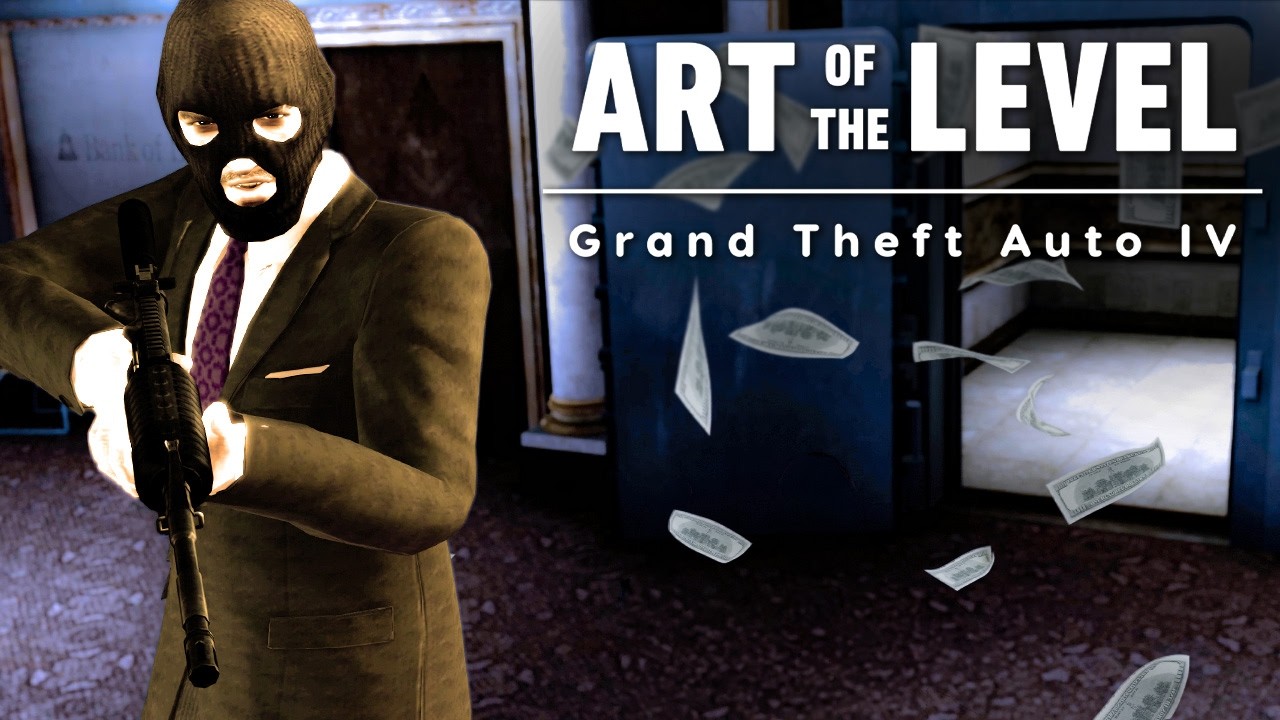
Before heists became sprawling exercises in preparation and coordination, Grand Theft Auto IV made its most memorable robbery feel like a plan unraveling in real time. In “Three Leaf Clover,” Niko Bellic and his crew leave a bank with cash in hand, only to find Liberty City transformed into a maze of sirens, gunfire, and closing escape routes. The mission’s pressure comes not from a checklist of objectives but from the sense that every decision is being made a moment too late—a stark contrast to the elaborate setups later seen in GTA Online and the broader evolution of the Grand Theft Auto series.
Michael Mann’s Influence, Without the Safety Net
The mission’s cinematic feel owes less to flashy cutscenes than to its restraint. Its pursuit through Chinatown and into the subway evokes the hard-edged crime dramas of Michael Mann, especially the street-level tension of Heat. The comparison is more than aesthetic: like Mann’s characters, Niko’s crew is defined by terse exchanges, professional habits, and the sudden collapse of control. The mission’s grounded mood also recalls the neon-drenched crime world of Miami Vice, but “Three Leaf Clover” trades glossy cool for exhausted urgency.
Sound That Makes the City Feel Close
Rather than smothering the action with constant musical cues, Rockstar Games lets the environment carry much of the drama. Gunshots crack against buildings, sirens press in from behind, and the crew’s arguments compete with the noise of the city. That comparatively understated soundscape makes the escape feel immediate, as though the player is trapped inside the same chaotic space as the characters. It is a different kind of cinematic storytelling from the carefully scored set pieces found in Grand Theft Auto V, and it helps explain why the mission remains a frequent subject of discussion among game critics and players.
Euphoria Turns Every Collision Into a Complication
The mission’s physicality gives its action an unpredictable edge. With the Euphoria physics engine shaping how bodies react to impacts and movement, firefights feel less like tidy exchanges of hit points and more like unstable encounters in crowded spaces. A stumble, a sudden change of cover, or a character caught in the wrong place can add to the impression that the plan is slipping away. This commitment to messy, reactive action sits alongside the series’ later experiments with switching among protagonists in GTA V, while the underlying appeal of a dangerous crew navigating a job gone wrong continues to resonate across GTA Online.
A Blueprint Built From Panic
“Three Leaf Clover” did not invent the videogame heist, but it demonstrated how a mission could create cinematic momentum through level design, sound, and escalating pressure rather than constant explanation. Its streets and subway passages funnel the crew forward while keeping the player alert to threats, turning the route itself into part of the drama. That approach helped establish GTA IV as a crime story with a distinctive sense of place, and its influence can be felt in the series’ later focus on character-driven jobs and shifting perspectives. As anticipation grows around Grand Theft Auto VI, the mission still offers a sharp reminder that sometimes the most memorable spectacle begins when a plan falls apart.