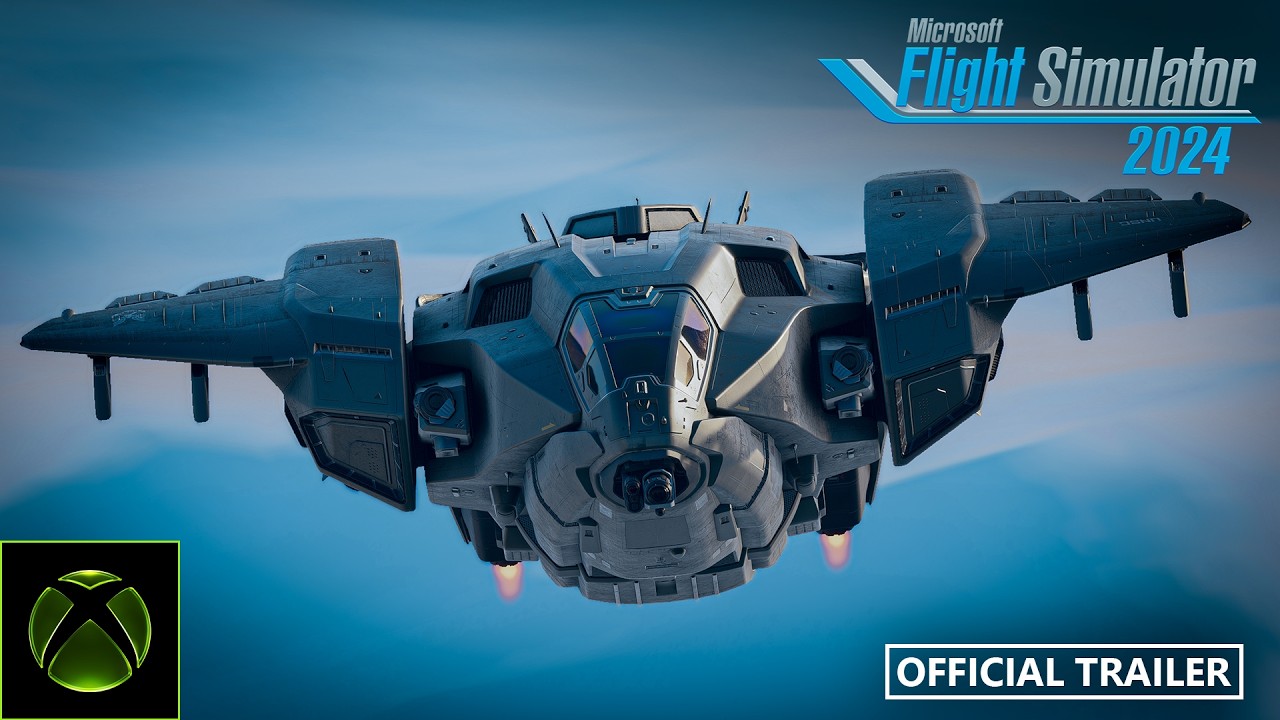
A familiar shape in unfamiliar skies
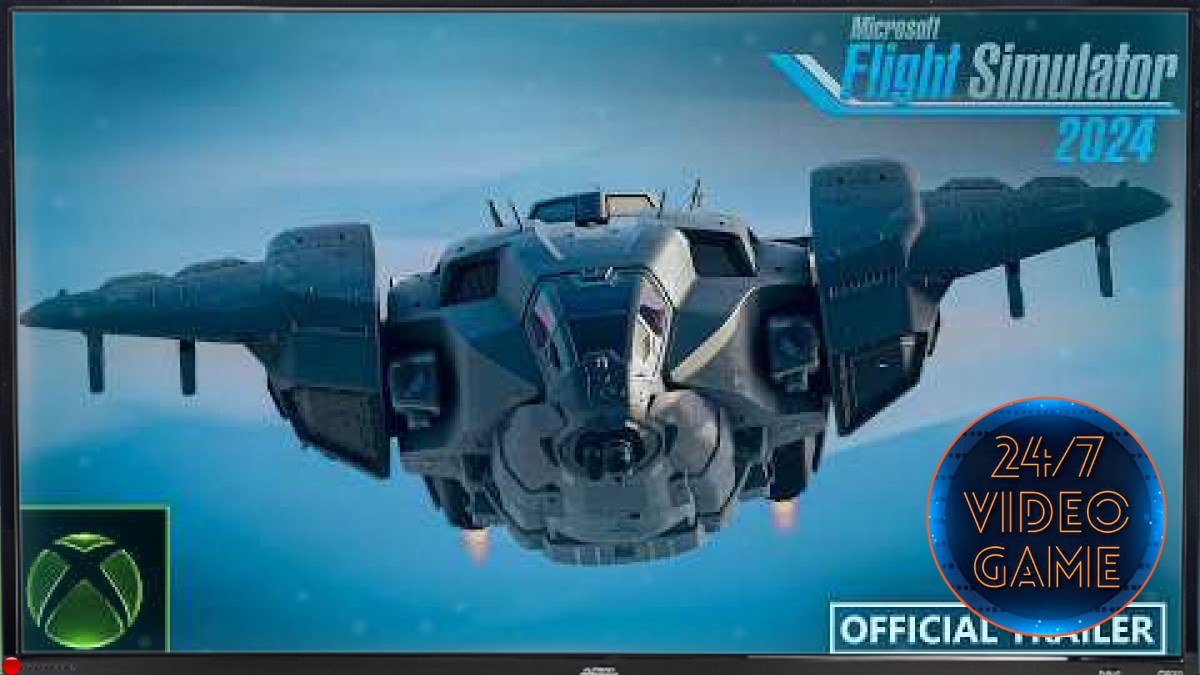
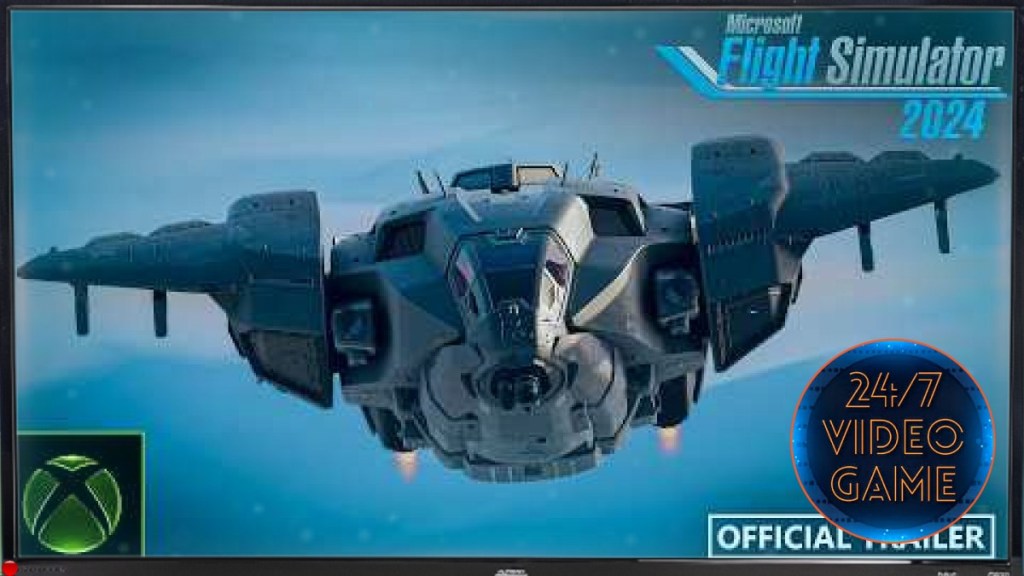
The D77-TC Pelican has spent years carrying the visual weight of Halo: part transport, part battlefield workhorse, and unmistakable from the first glimpse. Its arrival in Microsoft Flight Simulator gives that science-fiction icon a striking new backdrop—the open sky and expansive landscapes of a modern flight sim. For longtime fans, the appeal is immediate: a vehicle usually associated with military deployments and alien worlds is ready to be seen in a different kind of flight experience. Halo Waypoint offers a reminder of the universe that made the Pelican such a memorable craft.
The Pelican takes a different kind of flight
Part of the fun is the contrast. The Pelican carries the rugged, utilitarian character of Halo’s aerospace design, while Microsoft Flight Simulator is built around the pleasure of exploring the world from above. Put them together and the familiar craft becomes a fresh reason to look at the skies differently. Rather than arriving as just another aircraft-shaped novelty, it brings the atmosphere of a beloved sci-fi universe into a setting defined by real-world horizons. That crossover sits neatly alongside the broader range of experiences highlighted by Microsoft Flight Simulator 2024 and the enduring science-fiction legacy documented by Encyclopaedia Britannica.
A crossover built for discovery
The D77-TC Pelican’s presence also speaks to the appeal of video game crossovers: a familiar piece of one world can feel entirely new when placed in another. In Flight Simulator, the craft invites players to bring a little Halo imagination to the act of taking to the air, turning the journey itself into part of the attraction. The announcement marks a celebratory meeting between two recognizable Xbox properties, with the Pelican serving as the bridge between science-fiction spectacle and open-ended flight. Fans can explore the official Microsoft Flight Simulator 2024 page and revisit the wider Halo universe as the skies call.