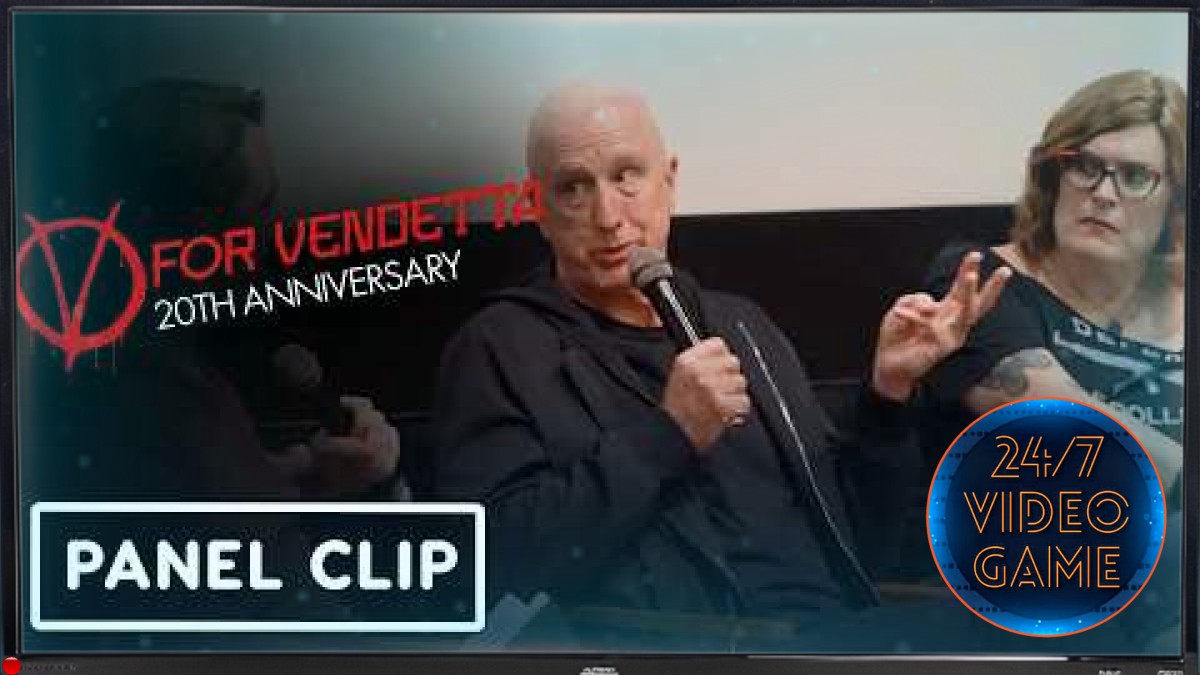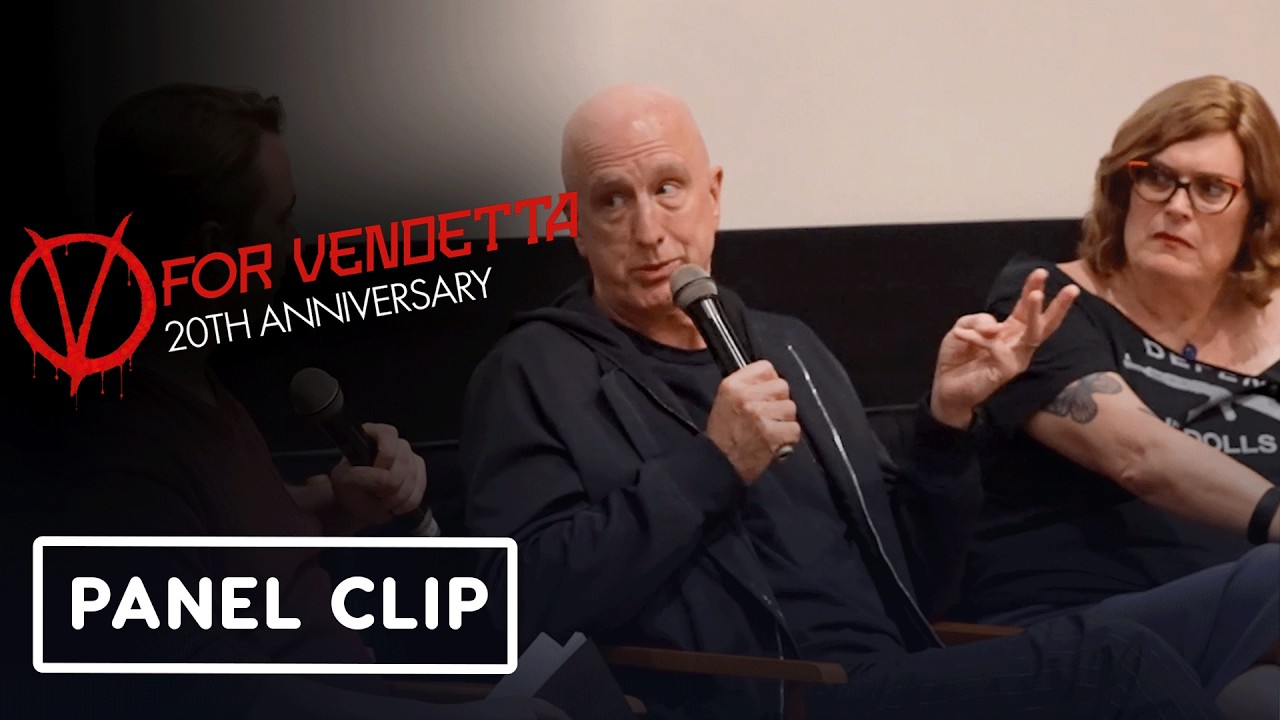
James McTeigue and the Face That Took on a Life of Its Own
When director James McTeigue and writer-producer Lilly Wachowski brought V for Vendetta to the screen, they could hardly have expected its most recognizable image to travel so far beyond the film. The Guy Fawkes mask began as part of V’s carefully constructed identity—a theatrical disguise for a revolutionary who turns performance into political theater. Two decades later, that stark, smiling face has become a symbol audiences recognize even without knowing the story behind it. The film’s history is documented on IMDb, while Rotten Tomatoes offers another snapshot of its enduring place in popular culture.
A Character Designed to Become an Icon
The mask works because it is both specific and anonymous. Its exaggerated smile, arched brows, and tidy mustache give it the unmistakable look of a Guy Fawkes portrait, yet conceal the wearer’s individual face. In the film, that tension fits V perfectly: he is a single character with a personal history, but also an idea that can outlast any one person. The masked performance lets Hugo Weaving make V vivid through voice and movement while keeping his features hidden. The historical figure behind the design is explored by Encyclopaedia Britannica, and the film’s cast and production details are available through Warner Bros..
From the Screen to the Streets
That combination of recognizability and anonymity helped the image escape its original context. The mask has appeared at demonstrations, in online communities, and across a visual culture where a familiar face can stand for resistance—or simply signal a knowing reference to the film. Its meaning shifts with the people who wear it, which is part of what makes the image so potent and so complicated. V’s symbol can suggest defiance, solidarity, or spectacle depending on the moment, while the film’s political themes invite viewers to think about power, fear, and the stories societies tell themselves. The mask’s later associations are chronicled in coverage from BBC News, and the activist network often linked to its modern visibility has been profiled by The Guardian.
Why the Anniversary Screening Still Matters
A return to theaters for the film’s 20th anniversary offers more than a chance to revisit a striking image on a big screen. It restores the mask to the world that first gave it meaning: the rain-dark streets, the controlled broadcasts, and the charged relationship between V and Evey. Seen in that setting, the mask’s impact feels less like a marketing afterlife and more like the result of a story built around symbols that audiences could carry away. The anniversary also invites a fresh look at McTeigue and Wachowski’s vision—and at how a film can lose control of its most famous image in the best possible way. Screening information is available from Fathom Entertainment, while IGN provides further coverage of the film and its legacy.