A Lost-in-the-Stacks PlayStation Curiosity
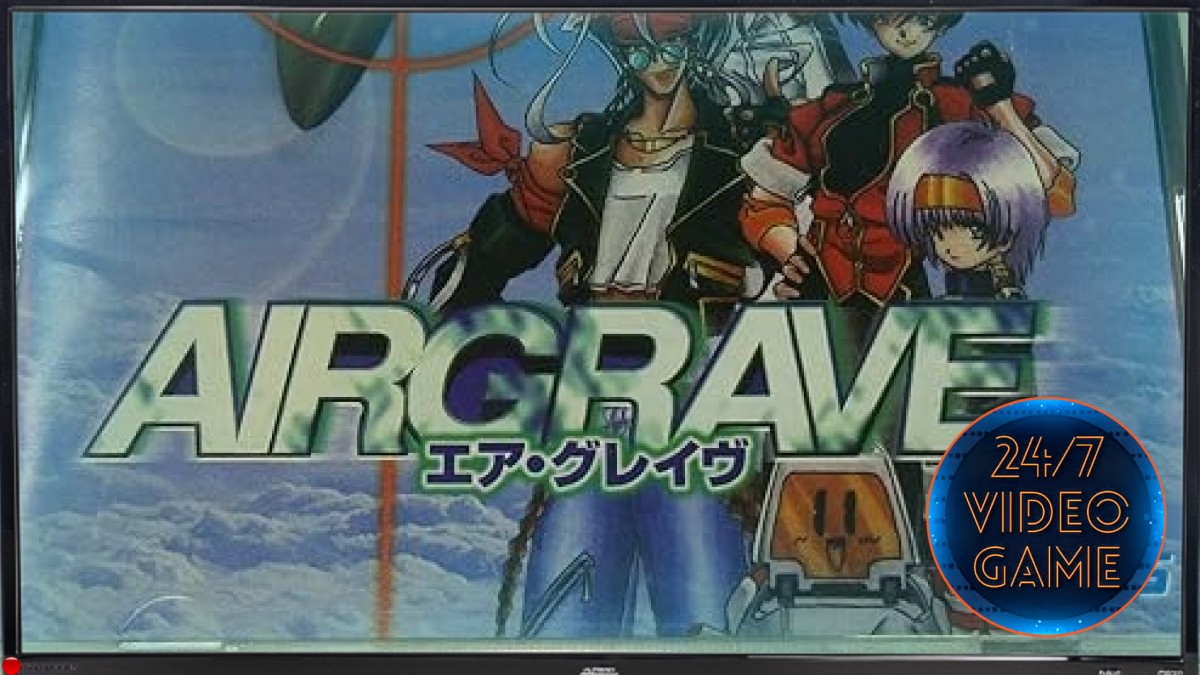
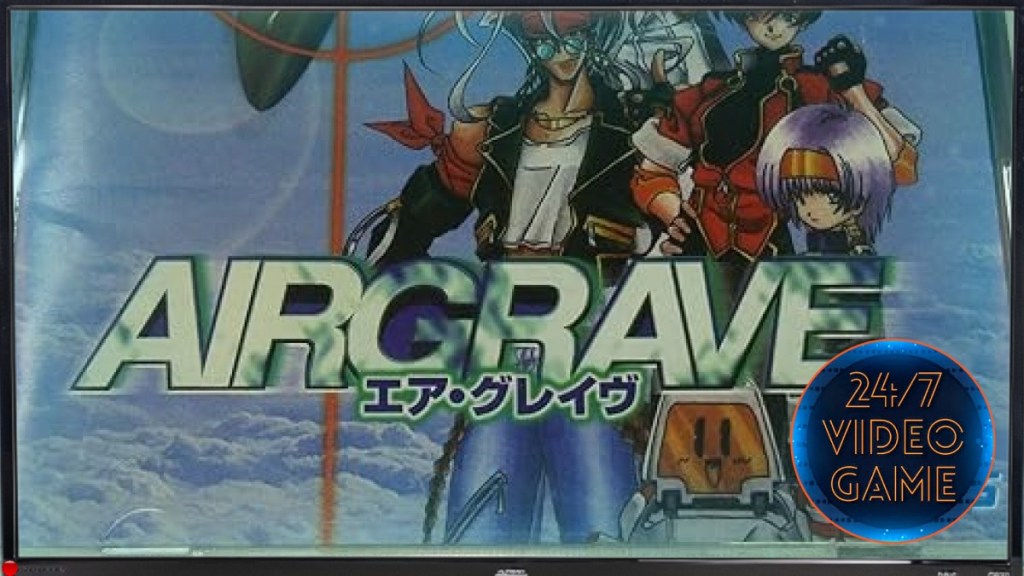
Some games announce themselves with blockbuster names; others surface years later as intriguing entries in a collector’s catalog. Airgrave, a Japanese PlayStation shooting game released in 1996, belongs to the second category. Its title and catalog number, SLPS-00559, point to a distinctly specific piece of the console’s early history—one that may catch the eye of fans exploring the wider original PlayStation library or the many corners of PlayStation game history.
1996 Was a Busy Year for Arcade Energy
The mid-1990s were a fascinating moment for shooters, as arcade traditions met the rapidly expanding possibilities of home consoles. Airgrave’s 1996 release places it in that lively period, when players could discover Japanese releases alongside the better-known titles that defined the system for international audiences. The genre’s enduring appeal is easy to trace through retrospectives on shoot ’em ups and coverage of classic games and their histories, where focused action and high-score ambition remain part of the conversation.
A Japanese Release With Collector Appeal
For collectors, the appeal is not only the game itself but also the context surrounding a regional release. NTSC-J packaging and the Santos name make this listing a snapshot of a particular market and era, while the catalog number gives enthusiasts a concrete detail to use when researching the title. Anyone considering a Japanese import should also check the basics of regional compatibility and consult resources such as PlayStation market listings before making a purchase.
What the Listing Says—and What It Doesn’t
The offered copy is described as being in very good condition, with free shipping and a fixed price of $255.99; the seller also accepts best offers. That price makes this a substantial collector’s purchase, so buyers may want to confirm exactly what is included and review the item photographs before committing. Broader guidance from eBay’s buyer information and an overview of video game collecting can help put condition, completeness, and import considerations in perspective.