Gyruss Makes the Cosmos Feel Close
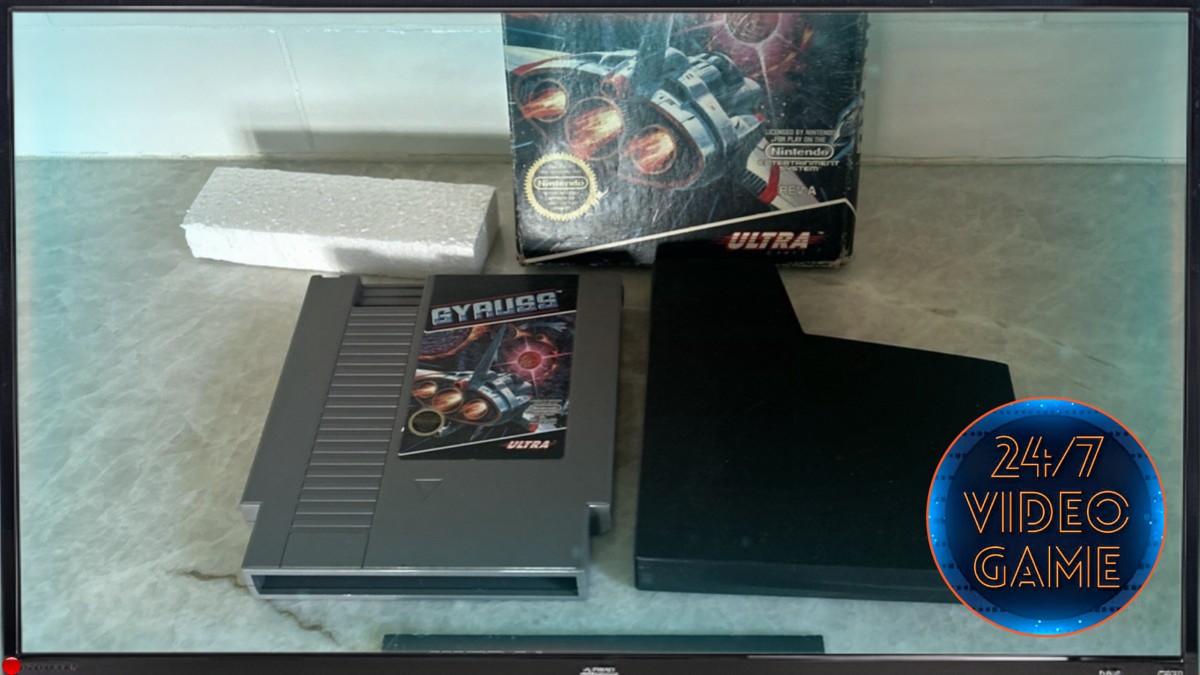
In Gyruss, space isn’t a distant backdrop so much as a spinning arena. The 1989 Nintendo Entertainment System release brings the arcade shooter’s distinctive circular perspective to the living room, sending waves of enemies sweeping around the screen as players push toward the center of the galaxy. That unusual viewpoint gives the action a hypnotic rhythm, setting it apart from the straight-ahead flight of many contemporary shooters. The game’s place in the era can be explored through the history of Gyruss and the broader evolution of the shoot ’em up.
A Familiar NES Cartridge With Arcade Ambition
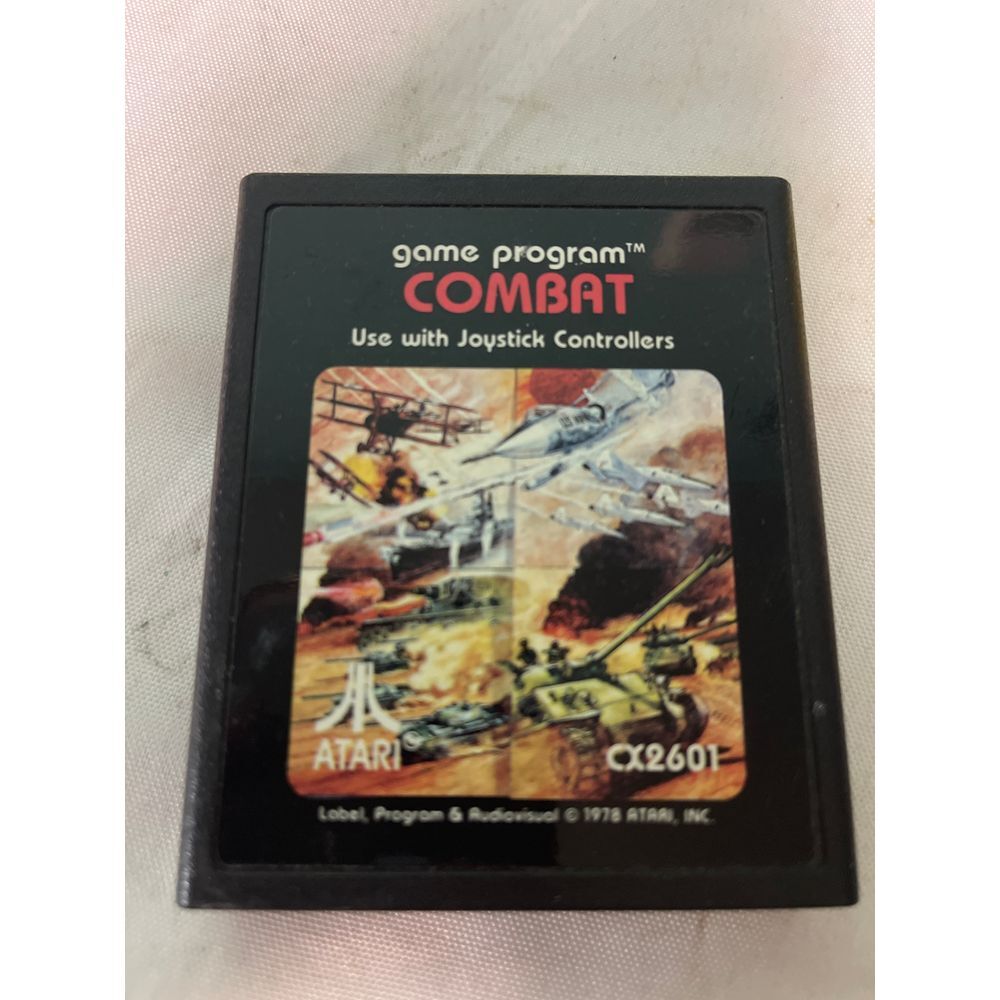
The NES adaptation captures the appeal of an arcade game built around quick reactions and relentless motion. Ships orbit the perimeter, threats crowd the field, and each stage asks for sharp timing rather than a leisurely tour of the stars. Its rotating playfield remains the main attraction: a simple visual idea that makes familiar enemy patterns feel fresh, even decades later. For more context on the console that carried the game into homes, see the NES’s history and IGN’s games coverage.
Why Complete-in-Box Gyruss Has Its Own Pull
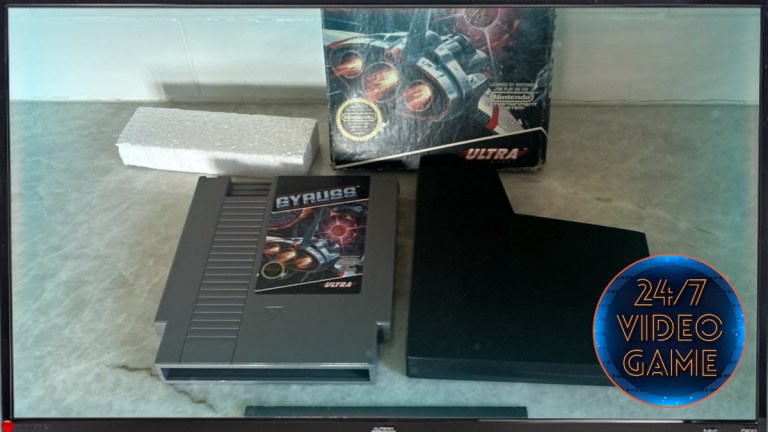
A complete-in-box copy offers more than the chance to revisit the game. The box and original materials preserve a small piece of how players first encountered Gyruss in 1989, when cover art and packaging helped turn a cartridge into a promise of adventure. For collectors, condition matters, so “complete in box” should be weighed alongside the item’s actual wear and the seller’s photos before any purchase. The appeal of preserving game history is reflected in the work of the Video Game History Foundation and the Strong National Museum of Play.
Compare Live Prices
Lore & Research Data
Partner Deals & Off-Topic
A Compact Blast From the Arcade Era
Seen today, Gyruss is a neat snapshot of an era when developers found bold new ways to make familiar genres feel strange again. Its circular action still gives the NES version a clear identity, while its 1989 release lends a complete copy extra nostalgia for collectors drawn to the console’s library. Whether it’s headed for a display shelf or a play session, this boxed space shooter offers a tangible link to arcade-inspired design and the home-console boom. The game’s arcade roots and its platform’s lasting legacy are both chronicled on Wikipedia and the official Nintendo site.