Elizabeth Krebs Takes on Halloween Night
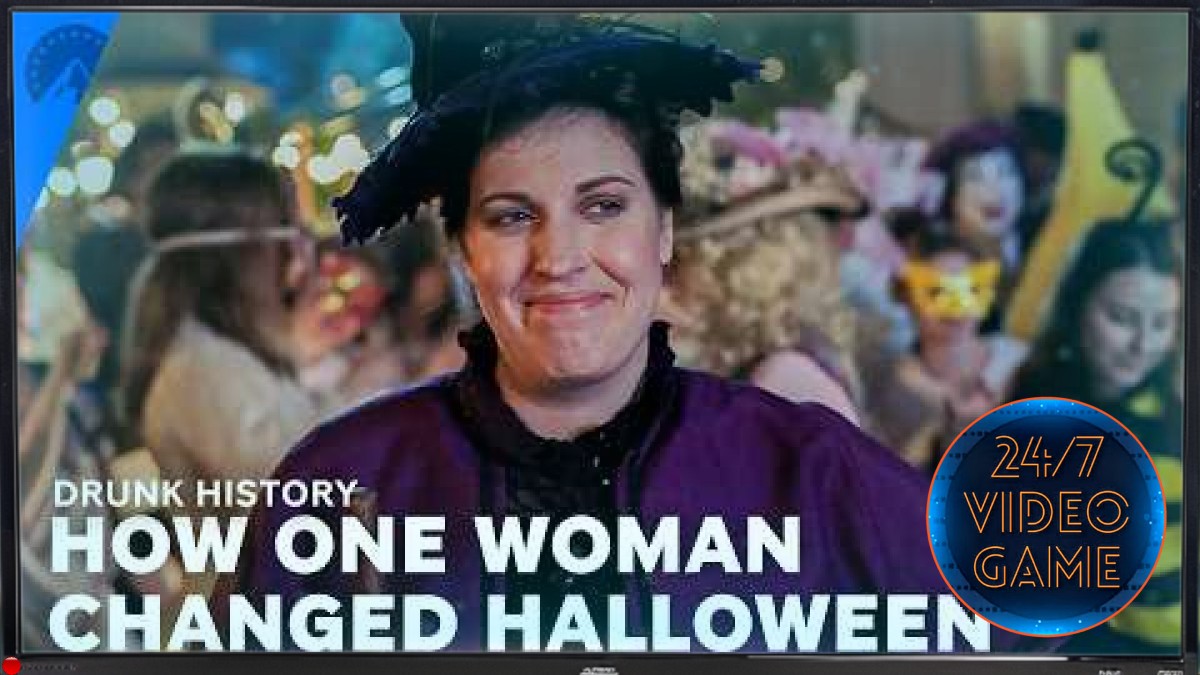
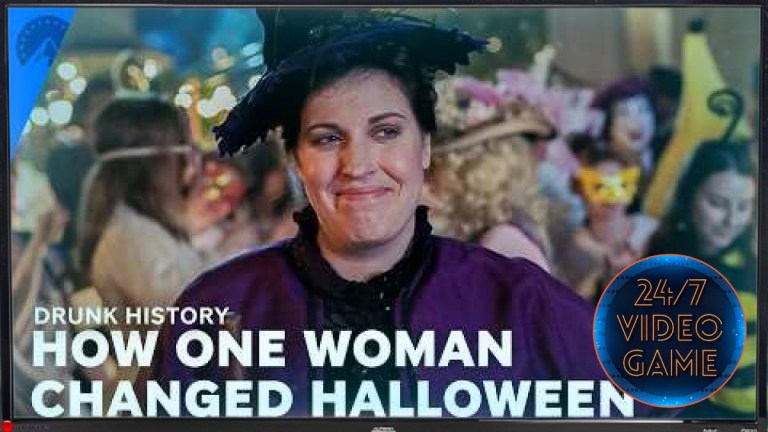
In the Drunk History episode “Halloween,” a flower-bed feud becomes an origin story for a holiday now built around costumes, music, and trick-or-treating. Set in 1912, the tale follows Elizabeth Krebs, founder of the Hiawatha Garden Club in Kansas, as she tries to stop local children from damaging her flowers. The episode turns a small-town problem into a lively piece of cultural history, with the kind of irreverent retelling that defines the series. Its subject also connects to the broader history of Halloween, a celebration whose customs have changed dramatically over time.
A Party With a Practical Purpose
Krebs’s solution was less about scolding the children than giving them somewhere else to direct their energy. She organized a town-wide party intended to tire them out—and, in the episode’s telling, that gathering helped point Halloween toward a more organized, communal celebration. The shift from mischief to festivities makes for an appealing bit of civic ingenuity: a garden club founder found a way to protect her flower beds while giving young people a reason to celebrate. The story sits neatly alongside the evolution of Halloween traditions and the long history of the holiday’s customs.
Compare Live Prices
Lore & Research Data
Partner Deals & Off-Topic
From Costumes to Trick-or-Treating
The episode links Krebs’s effort to traditions that now feel inseparable from Halloween, including costumes, music, and trick-or-treating. That transformation is the story’s real hook: a response to neighborhood damage becomes part of a holiday’s larger social ritual. Rather than treating Halloween as a fixed tradition, the episode presents it as something communities actively shape, adapting celebrations to suit their own needs. Readers curious about how the modern holiday developed can explore the history of trick-or-treating and the cultural roots of costumes and dress.
History Served With a Comic Twist
Drunk History thrives on the contrast between recognizable historical events and exuberant, often unruly storytelling. The Halloween episode applies that format to a modest but memorable chapter of local history, making Elizabeth Krebs the unlikely center of a story about how traditions take hold. Its humor gives the tale momentum, while its premise invites a genuine question: how many familiar customs began with someone trying to solve an everyday problem? The episode is available through Paramount+, and the series’ broader approach to dramatized history is documented on IMDb.