Bane Is More Than the Man Who Broke Batman
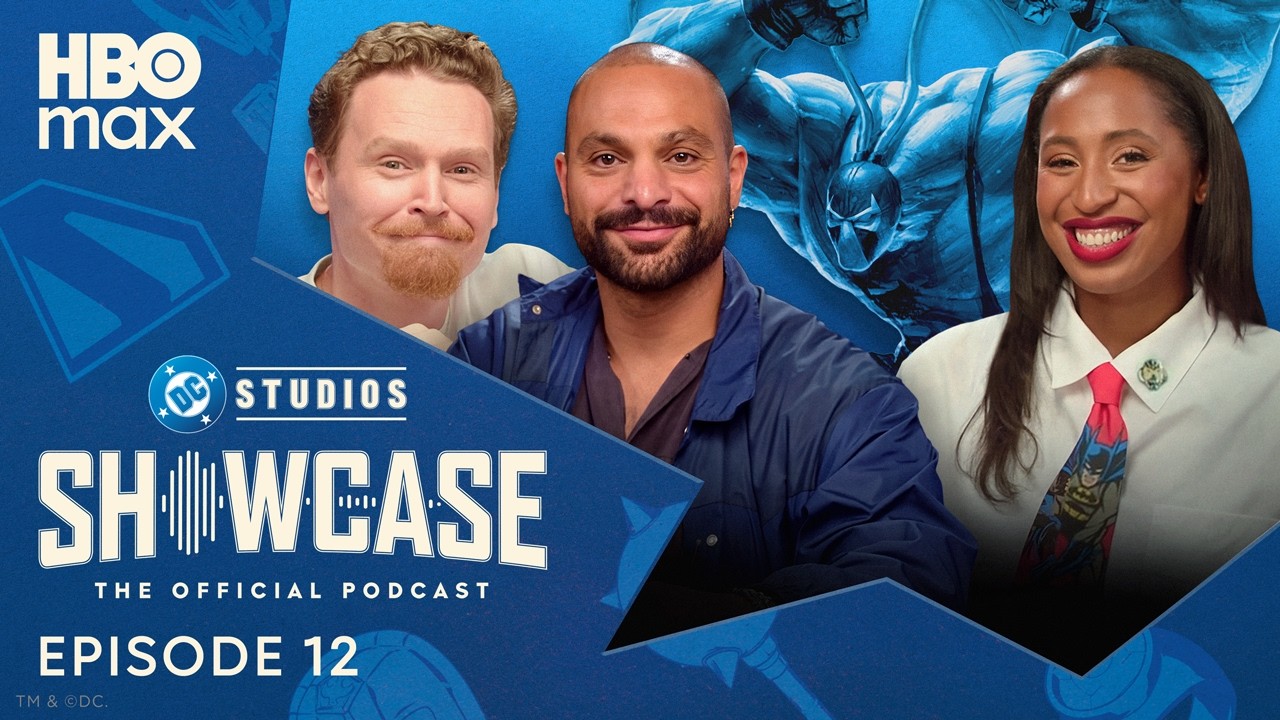
In the DC universe, Bane is often remembered for one brutal image: Batman’s back snapping beneath the weight of a stronger enemy. But Michael Mando wants fans to look beyond the spectacle. In a new conversation on HBO Max’s DC Studios Showcase podcast, the actor behind Bane in Batman: Knightfall Part One: Knightfall argues that the imposing super-villain is also a thinker with a worldview—and that his grievances against Gotham’s protector deserve a hearing.
Michael Mando Sees a Point Behind Bane’s Fury
Bane’s case begins with a pointed question: if Bruce Wayne has the resources and influence to help Gotham, why does the city remain trapped in cycles of violence and corruption? The podcast explores the contrast between two orphans shaped by radically different worlds, with Mando drawing attention to the intelligence and humanity beneath Bane’s fearsome reputation. It’s a compelling angle for fans of Batman stories, where the most memorable adversaries often expose something uncomfortable about the hero. As Bane’s comic-book history shows, he has never been merely muscle; his discipline and strategic mind are central to the character.
Venom, Gadgets, and the Rules of the Fight
The debate gets especially entertaining when Bane’s use of Venom comes under scrutiny. Is the strength-enhancing substance an unfair advantage, or is it simply part of the arsenal that makes him dangerous? Mando turns the question back on Batman, whose gadgets and preparation routinely help level the playing field against opponents with extraordinary abilities. That exchange reframes the familiar showdown as a clash over what counts as a fair fight—and whether either combatant can claim clean hands. The discussion also touches on Batman’s real superpower: not supernatural strength, but the intelligence and resolve to keep adapting, a quality explored across decades of stories at DC.com and in the classic Batman screen legacy.
The Back-Breaking Moment Has a Bitter Aftertaste
Perhaps the most revealing part of Mando’s interpretation is his view of the moment Bane breaks Batman’s back. Rather than treating it as a triumphant victory lap, he frames it as a moment of disappointment for Bane—an outcome that complicates the usual image of a villain savoring his opponent’s defeat. That emotional shading fits the podcast’s larger interest in how Bane thinks, speaks, and uses language to shape the reality around him. It also gives Knightfall a richer dramatic promise: the physical confrontation matters, but so does the uneasy recognition between two driven figures. Readers can trace the story’s lasting influence through Knightfall’s comic-book history and the broader DC graphic novel catalog.
A Great Super-Villain Makes the Hero Answer Back
Mando’s conversation ranges from The Joker and Mac Gargan’s Venom to Dragon Ball Z, but its central idea remains firmly rooted in Gotham: a great nemesis does more than threaten a hero; that character forces the audience to question the hero’s choices. Bane’s challenge to Bruce Wayne is not simply whether Batman can win a fight, but whether his methods are enough to change the city he claims to protect. That tension is why super-villains such as Bane continue to inspire debate among fans of DC’s iconic rogues and across the wider comic-book entertainment landscape. The episode’s most provocative suggestion is that the line between hero and villain can look less certain when the argument behind the mask is allowed to speak.