A Fantasy Campaign Built One Decision at a Time
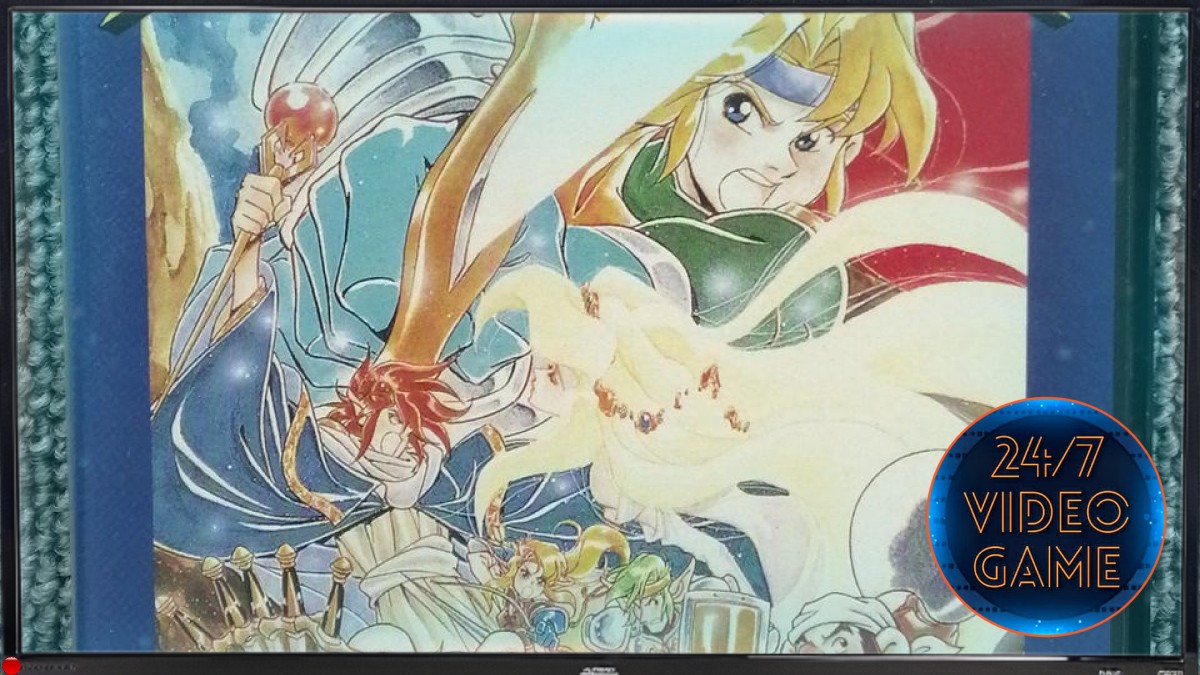
Some strategy games make their worlds feel like puzzles; Shining Force II makes its feel like a journey. Released for the Sega Genesis, this beloved tactical role-playing game follows Bowie and his allies through a sprawling fantasy adventure where every new recruit, battlefield, and twist adds another layer to the campaign. Its mix of exploration and turn-based combat helped give the 16-bit RPG era a distinctive kind of momentum, one that still resonates with fans of classic strategy RPGs and Sega Genesis history.
Shining Force II Turns the Battlefield Into a Story
Combat is the game’s signature attraction, but its appeal comes from more than moving units across a grid. Each encounter asks players to weigh position, risk, and the unique strengths of a growing cast. A frontline fighter can hold enemies in place while magic users shape the fight from a distance, and a poorly judged move can turn a comfortable skirmish into a desperate retreat. That readable, deliberate rhythm remains a major part of the game’s charm, much like the tactical design celebrated in IGN’s coverage of Shining Force II and the broader history of tactical role-playing games.
A Living World Beyond the Grid
Between battles, the adventure gives players room to wander, talk to townspeople, search for secrets, and follow the story into new corners of its fantasy setting. That change of pace matters. The campaign feels less like a sequence of isolated matches and more like a journey through a world whose dangers and mysteries keep widening. Its exploration and character-focused storytelling lend warmth to the tactical framework, a blend that helped establish the series as a notable part of Sega’s Shining franchise and the company’s long-running game legacy.

Compare Live Prices
Lore & Research Data
Partner Deals & Off-Topic
The Lasting Appeal of a Genesis Classic
Shining Force II’s pixel art and measured pace belong unmistakably to another era, yet its core pleasures are remarkably durable. A carefully earned victory still feels satisfying, and building a reliable team gives the campaign a personal investment that flashy spectacle alone cannot provide. For players revisiting the Genesis era, or discovering its strategy games for the first time, this adventure remains a compelling reminder that smart systems and memorable characters can outlast changing hardware. Its place in the Genesis library and the continuing interest in Shining Force II’s history underline why this classic still deserves a spot on the map.