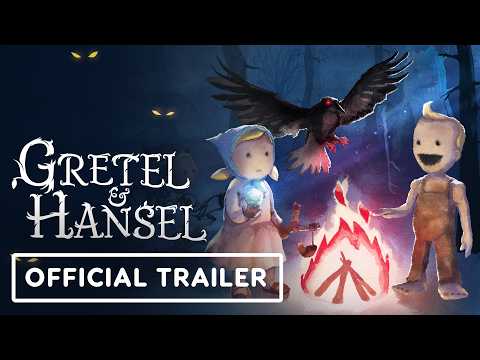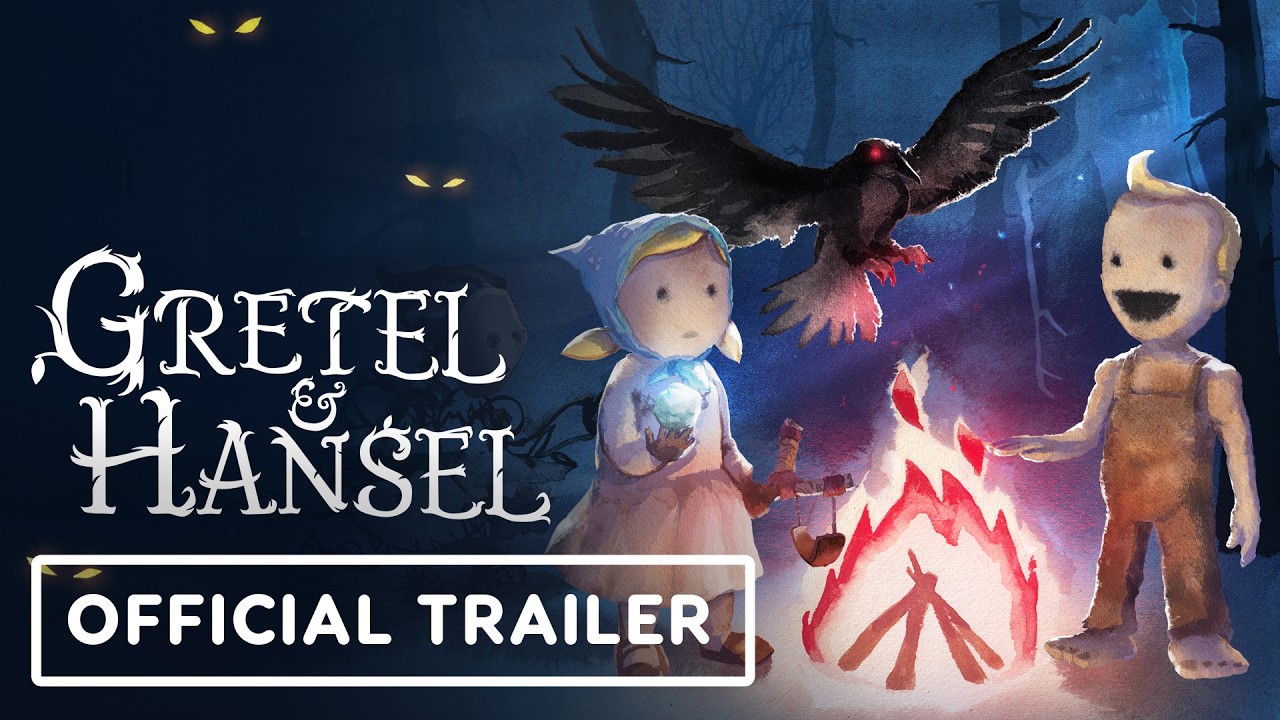
Gretel & Hansel is a fully hand-painted watercolor horror-adventure in which Gretel must guide her brother through a cursed forest, outwit deadly traps, solve sinister puzzles, and escape a ravenous witch. Originally released in 2009 and 2010, Gretel & Hansel has been fully reimagined and expanded with Part 3. Gretel & Hansel will be available on PC.
Gently Dark Woods and a Reimagined Classic
Gretel & Hansel emerges from the shadowed periphery of fairy tale lore with a fully hand-painted watercolor aesthetic that invites players into a forest both gorgeous and dangerous. The trailer for Gretel & Hansel — Official Trailer | Cozy After Dark Showcase 2026 paints a mood that feels less like a chase and more like a careful, haunting meditation on memory, risk, and the bonds that keep siblings together when peril rises from the undergrowth. For fans and newcomers alike, this is a title that promises more than scares; it promises a carefully crafted world that rewards curiosity, patience, and sneakily clever problem solving. Wikipedia and IMDb offer broad context on how modern horror-adventure games balance tone with mechanics, while IGN provides play-by-play critique that mirrors the trailer’s attentive frame-by-frame storytelling.
Artful Fear and the Hand-Painted Frontier
From the first brushstroke, Gretel & Hansel positions itself as more than a run of the mill survival game. The watercolor palette nods to a painterly tradition where light dashes into the trees like shy whispers, yet the forest remains a treacherous labyrinth. This is a world where every trap and puzzle has a tactile weight, inviting players to engage with puzzles that feel like physical tasks rather than abstract brain teasers. Fans of visually rich experiences can lean on discussions from Rotten Tomatoes and Billboard to see how color theory and atmosphere drive audience immersion in contemporary cinematic-adjacent games, while articles on Polygon highlight how indie developers translate watercolor technique into interactive texture and depth.
From 2009 Echoes to a 2026 Rebirth
The original Gretel & Hansel sparked curiosity in two eras — the late-2000s indie surge and today’s renaissance of atmospheric horror. The announcement of Part 3 signals a reimagining rather than a simple remaster: a broader quest, denser lore, and expanded mechanics that push Gretel and her brother into more treacherous territory. Industry watchers can compare this leap to how franchises like Half-Life 2 evolved through generations of engine and storytelling refinements, a conversation often echoed in IMDb discussions that track long-running character arcs and environmental storytelling. For PC players, the shift from a handheld or console-first approach to a PC-centric design philosophy promises refined controls and higher fidelity with the same artistic heart.
A Witch, a Forest, and a Puzzle-Smith’s Playground
The central premise — Gretel guiding her brother through a cursed forest while outwitting a ravenous witch — is sharpened by a design philosophy that values smart, tactile problem solving. Expect a flow of challenges that reward observation and planning as much as quick reflexes. Developers emphasize a balance between punishing difficulty and fair iteration, a balance that has kept fans speculating about upcoming puzzle systems and potential boss encounters. For broader context on how modern horror-adventure titles meld narrative and challenge, see IMDb production notes and RogerEbert.com analyses that discuss pacing and payoff in fear-driven gameplay.
Community Echo Chambers and Shared Mysteries
The social footprint of Gretel & Hansel’s return is as intriguing as the trailer’s visual craft. Community discussions on Reddit and fan wikis illuminate how players piece together lore, speculate about the witch’s origins, and map out how Part 3 weaves new threads into the forest’s existing mythos. Industry outlets like IGN and GameSpot track how such expansions cultivate sustained engagement, turning cosmetic artistry into a shared playground where every discovery spawns fresh theories and fan art that circulates across streaming platforms and official sites alike.
Why This Reimagining Matters for PC Gamers
The move to PC is not merely a platform choice; it signals a commitment to accessibility, higher fidelity, and iterative design. PC gamers expect refined texture detail, smoother frame pacing, and deeper modability, all of which can elevate a watercolor horror-adventure into a lasting centerpiece on digital libraries. In conversations across Wikipedia’s developer pages and IMDb trivia threads, the consensus is that platform parity often unlocks new storytelling strategies, enabling a title’s art direction to breathe at its own tempo while still delivering the claustrophobic tension that fans crave.